Tuesday, June 10, 2025

Electric furnaces: the ultimate guide to warmth and efficiency

Electric furnaces: the ultimate guide to warmth and efficiency

When winter's chill sets in, a reliable heating system becomes essential. Among the various options available, the electric furnace stands out for its simplicity, efficiency, and environmental friendliness. This guide will explore everything you need to know about electric furnaces, from their operation and benefits to installation and maintenance.

What is an Electric Furnace?

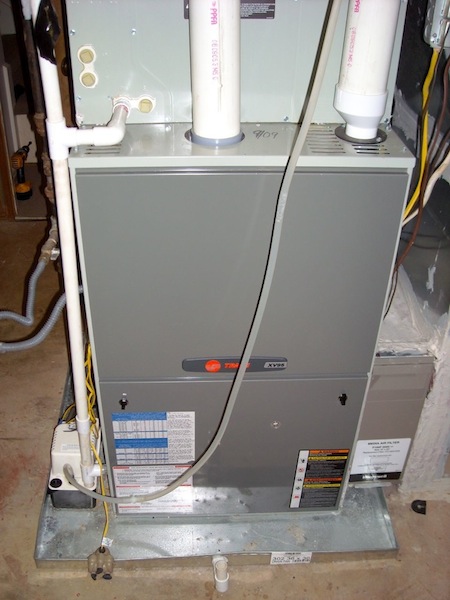
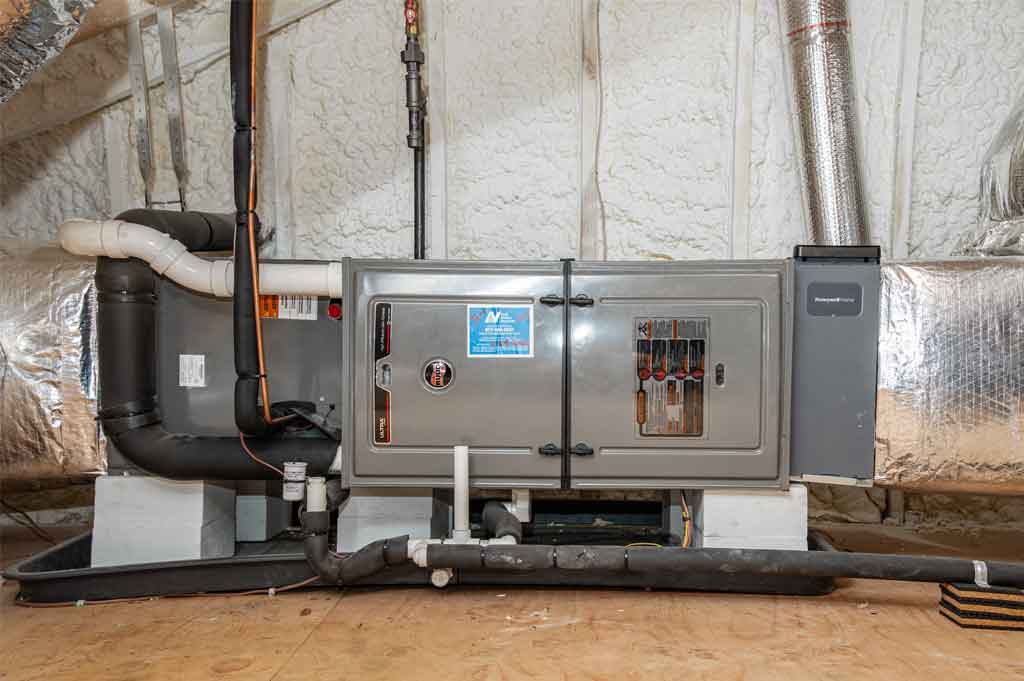
An electric furnace is a heating appliance that converts electrical energy into heat. Unlike gas furnaces, which burn natural gas or propane, electric furnaces use heating elements to warm the air. This heated air is then circulated throughout your home via a system of ducts and vents.

How Electric Furnaces Work

The core of an electric furnace is its heating element, a resistive wire that glows red when electricity passes through it. Here's a breakdown of the process:

  1. Electricity Flow: When the thermostat calls for heat, electricity is sent to the furnace.
  2. Heating Element Activation: The electricity flows through the heating elements, causing them to heat up.
  3. Air Circulation: A blower fan pulls in cool air from your home and forces it over the heated elements.
  4. Warm Air Distribution: The heated air is then pushed through the ductwork and into your rooms.
  5. Thermostat Regulation: Once the desired temperature is reached, the thermostat shuts off the furnace.

Electric furnaces: the ultimate guide to warmth and efficiency

The Benefits of Electric Furnaces

Electric furnaces offer several advantages that make them a popular choice for many homeowners:

  • Ease of Installation: Electric furnaces are generally easier to install than gas furnaces, as they don't require gas lines or venting.
  • Higher Efficiency: Modern electric furnaces can achieve near 100% efficiency, meaning almost all the electricity used is converted into heat.
  • Lower Initial Cost: Electric furnaces tend to have a lower upfront cost compared to gas furnaces.
  • Cleaner Operation: Electric furnaces produce no combustion byproducts, making them environmentally friendly and safer for indoor air quality.
  • Quiet Operation: Electric furnaces operate more quietly than gas furnaces.
  • Reduced Maintenance: Fewer moving parts mean less maintenance is required.

Factors to Consider When Choosing an Electric Furnace

Selecting the right electric furnace for your home involves several important considerations:

Sizing and Capacity
Electric furnaces: the ultimate guide to warmth and efficiency

The size of your furnace should match the size of your home. Too small a furnace will struggle to heat your space, while an oversized furnace can lead to short cycling and wasted energy. A professional HVAC technician can help you determine the appropriate size.

Energy Efficiency

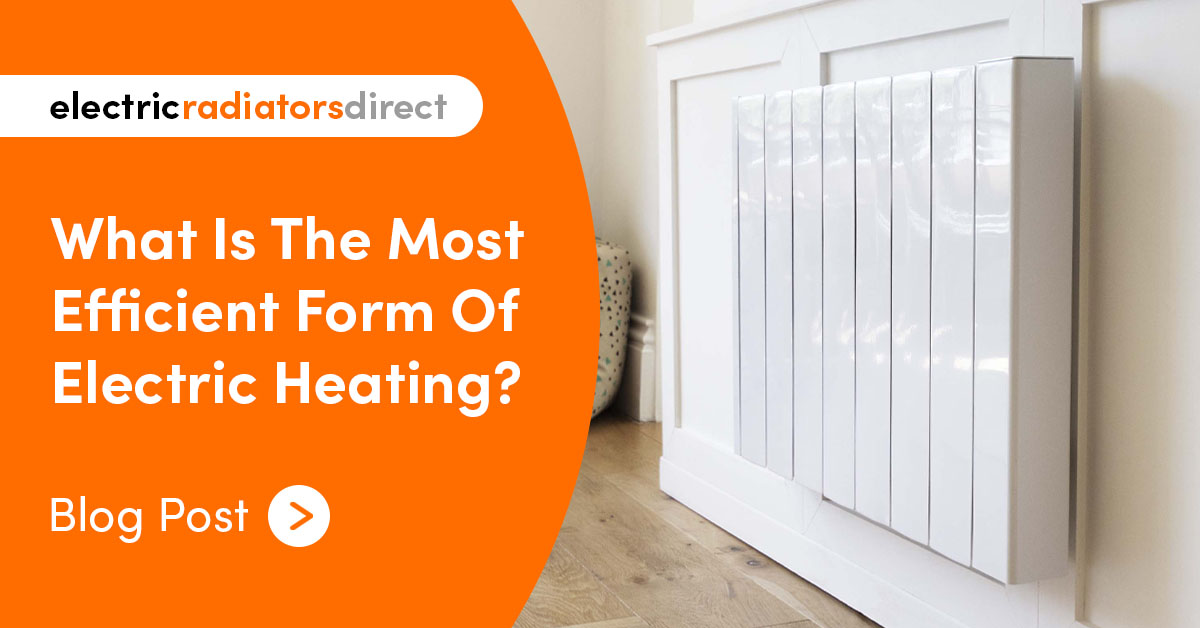
Look for furnaces with a high Annual Fuel Utilization Efficiency (AFUE) rating. While AFUE is traditionally used for gas furnaces, it's essential to understand the efficiency of your electric furnace. Modern electric furnaces are very efficient. Also consider the SEER rating of your air conditioner if it is paired with the furnace.

Installation Costs

While electric furnaces have a lower initial cost, installation can still vary depending on the complexity of your ductwork and electrical setup. Get quotes from multiple contractors to ensure you're getting a fair price.

Maintenance Requirements

Electric furnaces require minimal maintenance, but regular inspections and filter changes are still important. Schedule annual checkups with a qualified HVAC technician.

Installation and Maintenance Tips

Professional Installation
Electric furnaces: the ultimate guide to warmth and efficiency

For optimal performance and safety, it's crucial to have your electric furnace installed by a qualified HVAC professional. This ensures proper wiring, ductwork connections, and system setup.

Regular Filter Changes

Changing your furnace filter regularly is essential for maintaining airflow and indoor air quality. Check your filter every month and replace it as needed.

Annual Inspections

Schedule annual inspections with an HVAC technician to ensure your furnace is operating efficiently and safely. They will check for any potential issues and perform necessary maintenance.

Electrical Safety

Electric furnaces use high voltage, so it's crucial to ensure your electrical system is up to code and can handle the load. If you notice any electrical issues, contact a qualified electrician immediately.

Conclusion

An electric furnace offers a reliable, efficient, and environmentally friendly heating solution for your home. By understanding how they work, considering the factors involved in choosing the right model, and following proper installation and maintenance practices, you can enjoy a warm and comfortable home all winter long. Choosing the correct size, and a highly efficient model will save money in the long run. Remember to always use a certified professional to install and maintain your furnace.

Friday, June 6, 2025

The definitive guide to a replacement furnace: ensuring cozy comfort

The definitive guide to a replacement furnace: ensuring cozy comfort

Why Consider a Replacement Furnace?

Is your home feeling a bit chilly? Perhaps your current furnace is making strange noises, or your energy bills are skyrocketing. If so, it might be time to consider a replacement furnace. A new furnace can dramatically improve your home's comfort and efficiency. It's not just about staying warm; it's about investing in your home's long-term well-being.
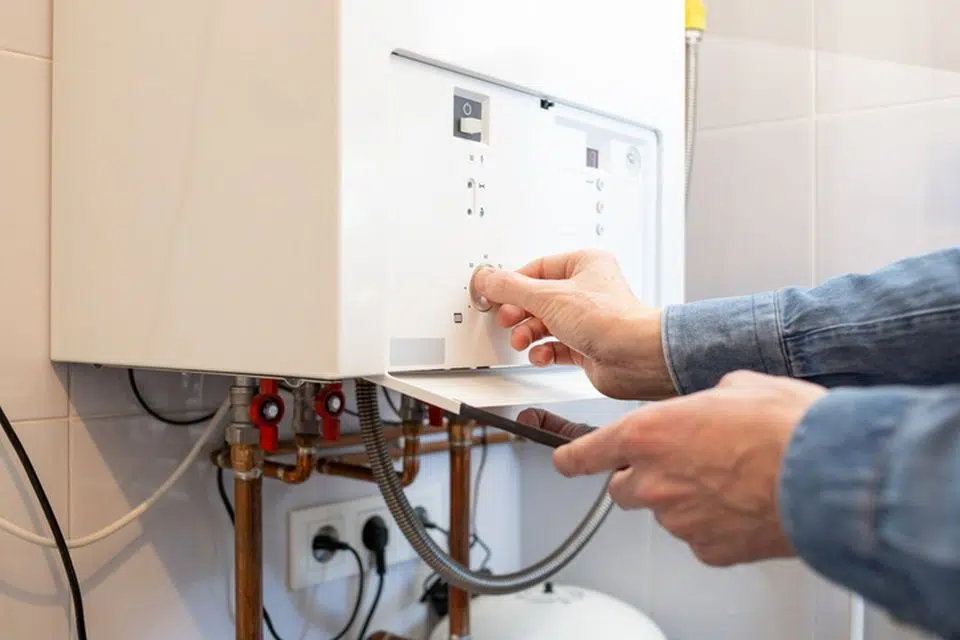
Over time, furnaces lose efficiency. Older models often struggle to maintain consistent temperatures, leading to uneven heating and higher energy costs. A replacement furnace, especially a modern high-efficiency model, can solve these problems.

Types of Replacement Furnaces

When it comes to replacement furnaces, you have several options. Understanding the different types can help you make an informed decision.

The definitive guide to a replacement furnace: ensuring cozy comfort

  • Gas Furnaces: These are the most common type, known for their efficiency and ability to heat homes quickly. They are available in various efficiency ratings, from standard to high-efficiency models.

  • Electric Furnaces: Ideal for homes without natural gas access, electric furnaces are generally less expensive to install but may have higher operating costs.

  • Oil Furnaces: While less common, oil furnaces are still used in some areas. They require regular maintenance and fuel delivery.

  • Propane Furnaces: Similar to gas furnaces, propane furnaces use propane as fuel. They are suitable for homes in rural areas without natural gas lines.

Key Factors to Consider When Choosing a Replacement Furnace

Selecting the right replacement furnace involves considering several crucial factors. Here's what you need to keep in mind:

  • Efficiency (AFUE): The Annual Fuel Utilization Efficiency (AFUE) rating indicates how efficiently a furnace converts fuel into heat. Higher AFUE ratings mean greater energy savings. Look for models with an AFUE of 90% or higher.

  • Size and Capacity: The furnace's size should match your home's heating needs. An undersized furnace will struggle to heat your home, while an oversized furnace can lead to short cycling and reduced efficiency. A professional HVAC technician can help you determine the appropriate size.

  • Installation: Proper installation is crucial for optimal performance. Hire a qualified HVAC technician to ensure your replacement furnace is installed correctly.

  • Budget: Consider both the upfront cost of the furnace and the long-term operating costs. High-efficiency models may have a higher initial cost but can save you money on energy bills over time.

  • Warranty: Look for a furnace with a comprehensive warranty to protect your investment.

The definitive guide to a replacement furnace: ensuring cozy comfort

The Replacement Furnace Installation Process

Installing a replacement furnace is a complex task that should be handled by a professional. Here's a general overview of the process:

  1. Removal of the Old Furnace: The technician will safely disconnect and remove your old furnace.

  2. Preparation of the Installation Site: The technician will inspect the installation site and make any necessary adjustments.

  3. Installation of the New Furnace: The technician will carefully install the new furnace, ensuring proper connections for gas, electricity, and ductwork.

  4. Testing and Calibration: The technician will test the furnace to ensure it's operating correctly and calibrate it for optimal performance.

  5. Final Inspection and Cleanup: The technician will perform a final inspection and clean up the installation site.

Maintaining Your Replacement Furnace

The definitive guide to a replacement furnace: ensuring cozy comfort

Regular maintenance is essential for extending the lifespan and efficiency of your replacement furnace. Here are some maintenance tips:

  • Change Air Filters Regularly: Clean or replace air filters every 1-3 months.

  • Schedule Annual Tune-ups: Have your furnace inspected and tuned up by a professional HVAC technician annually.

  • Keep the Area Around the Furnace Clear: Ensure there's adequate space around the furnace for proper airflow.

  • Check for Leaks: Inspect gas lines and ductwork for leaks.

Investing in a Quality Replacement Furnace

A replacement furnace is a significant investment in your home's comfort and efficiency. By choosing the right furnace and ensuring proper installation and maintenance, you can enjoy years of reliable warmth and energy savings. Don't hesitate to consult with a professional HVAC technician to discuss your options and find the best replacement furnace for your needs.

Understanding gas valves: your essential guide

Understanding gas valves: your essential guide

What is a Gas Valve?

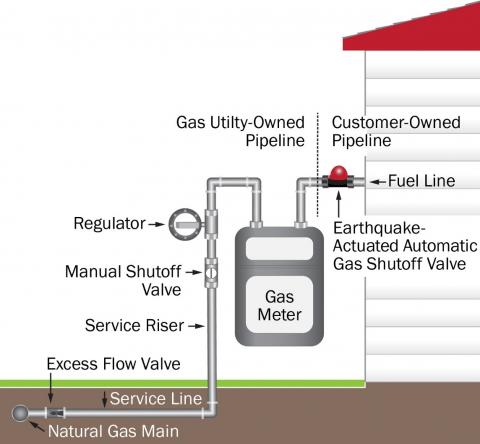
A gas valve is a crucial component in any system that utilizes natural gas, propane, or other gaseous fuels. Essentially, it's a device that controls the flow of gas. Think of it as a gatekeeper, regulating when and how much gas is allowed to pass through a pipeline or appliance. These valves are found in a wide range of applications, from your home's furnace and water heater to industrial settings and even vehicles.

Their primary function is to ensure safe and efficient gas delivery. Without a properly functioning gas valve, you could experience leaks, inconsistent appliance performance, or even dangerous situations. Therefore, understanding the basics of these valves is essential for any homeowner or anyone working with gas-powered equipment.

Types of Gas Valves

There are several types of gas valves, each designed for specific purposes and applications. Here are a few common types:

  • Manual Gas Valves: These are simple valves that are operated by hand. They often have a lever or knob that you turn to open or close the gas flow.
  • Solenoid Gas Valves: These valves use an electromagnet to control the gas flow. When an electrical current is applied, the valve opens; when the current is removed, it closes. They are commonly found in appliances that require precise and automated gas control.
  • Thermocouple Gas Valves: These valves are designed to shut off the gas supply if the pilot light goes out. They rely on a thermocouple, a temperature-sensitive device, to detect the presence of a flame.
  • Pressure Regulator Valves: These valves maintain a constant gas pressure, ensuring that appliances receive the correct amount of fuel. They are crucial for consistent and efficient appliance performance.

Knowing the type of gas valve in your appliance or system is important for proper maintenance and troubleshooting.

Importance of Gas Valve Maintenance

Understanding gas valves: your essential guide

Regular maintenance of gas valves is essential for safety and efficiency. A faulty valve can lead to gas leaks, which are hazardous and can cause explosions or fires. Here are some key maintenance tips:

  • Regular Inspections: Check for any signs of damage, corrosion, or leaks. You can use a soapy water solution to detect leaks – if bubbles form, there's a leak.
  • Cleaning: Keep the valve clean and free from debris. Dust and dirt can interfere with the valve's operation.
  • Professional Servicing: Have a qualified technician inspect and service your gas valves regularly, especially if you notice any issues.
  • Replacement: If a valve is damaged or malfunctioning, replace it immediately. Never attempt to repair a faulty gas valve yourself unless you are a qualified professional.

Remember, safety should always be your top priority when dealing with gas appliances and gas valves.

Safety Tips for Handling Gas Valves

Working with gas valves requires caution and attention to safety. Here are some essential safety tips:

  • Know Your Valves: Familiarize yourself with the location and operation of the gas valves in your home.
  • Use Proper Tools: Always use the correct tools when working with gas valves. Never force a valve open or closed.
  • Ventilation: Ensure proper ventilation when working with gas appliances.
  • Smell Gas? Act Immediately: If you smell gas, immediately evacuate the area, and call your gas company or emergency services. Do not turn on any lights or use any electrical devices.
  • Professional Help: If you are unsure about any aspect of gas valve maintenance or repair, always seek professional help.
Understanding gas valves: your essential guide

By following these safety tips, you can help prevent accidents and ensure the safe operation of your gas systems.

Troubleshooting Common Gas Valve Issues

Even with proper maintenance, gas valves can sometimes experience problems. Here are a few common issues and how to address them:

  • Stuck Valve: If a valve is stuck, do not force it. Apply a penetrating lubricant and gently try to loosen it. If it remains stuck, call a professional.
  • Leaking Valve: A leaking valve is a serious safety hazard. Turn off the gas supply and call a technician immediately.
  • Pilot Light Issues: If your pilot light won't stay lit, the thermocouple or gas valve may be faulty. Check the thermocouple first, and if the problem persists, contact a professional.
  • Inconsistent Flame: An inconsistent flame can indicate a problem with the pressure regulator or gas valve. Have it inspected by a qualified technician.

Choosing the Right Gas Valve

Understanding gas valves: your essential guide

Selecting the right gas valve for your application is crucial for safety and performance. Consider the following factors:

  • Type of Gas: Ensure the valve is compatible with the type of gas you are using (natural gas, propane, etc.).
  • Pressure Rating: Choose a valve with the appropriate pressure rating for your system.
  • Size and Connection: Select a valve with the correct size and connection type for your pipeline or appliance.
  • Application: Consider the specific application and choose a valve designed for that purpose.
  • Quality and Certification: Opt for high-quality valves from reputable manufacturers that are certified to meet safety standards.

Conclusion

Gas valves are essential components that play a critical role in the safe and efficient operation of gas systems. Understanding their function, types, maintenance, and safety requirements is crucial for homeowners and professionals alike. By following the tips and guidelines outlined in this guide, you can ensure the safe and reliable operation of your gas valves.

Home heating: your comprehensive guide to staying warm and cozy

Home heating: your comprehensive guide to staying warm and cozy

When the chilly winds of winter start to blow, there's nothing quite like the comfort of a warm home. But how do you achieve that perfect level of coziness? This guide will explore the diverse world of home heating, from traditional methods to cutting-edge technologies, ensuring you stay comfortable no matter the weather.

Understanding Your Heating Options

Choosing the right heating system is crucial for both comfort and efficiency. Let's break down some of the most common options:

  • Central Heating Systems: These systems, often powered by natural gas, oil, or electricity, distribute warm air or water throughout your home via ducts or radiators. They provide consistent and even heating, making them a popular choice for larger homes.
  • Furnaces: Gas furnaces are a staple in many households, known for their ability to quickly heat large spaces. They work by heating air and circulating it through ductwork.
  • Boilers: Boilers heat water, which is then circulated through radiators or underfloor heating systems. They offer a gentle, radiant heat that many find exceptionally comfortable.
  • Heat Pumps: These systems transfer heat from one place to another, providing both heating and cooling. In winter, they extract heat from the outside air (or ground) and transfer it indoors. Modern heat pumps are increasingly efficient, even in colder climates.
  • Space Heaters: Ideal for heating smaller areas or providing supplemental warmth, space heaters come in various forms, including electric, propane, and kerosene. They offer flexibility and portability.
  • Fireplaces and Wood Stoves: While often considered a traditional and charming option, fireplaces and wood stoves can be effective heating sources, especially when used in conjunction with other systems. They provide a radiant heat that can quickly warm a room.

Tips for Maximizing Heating Efficiency

Home heating: your comprehensive guide to staying warm and cozy

Getting the most out of your heating system involves more than just setting the thermostat. Here are some key tips to boost efficiency and save energy:

  • Proper Insulation: Ensure your home is well-insulated to prevent heat loss. Check for gaps around windows and doors, and consider upgrading your attic and wall insulation.
  • Regular Maintenance: Schedule annual maintenance for your heating system to keep it running smoothly and efficiently. Clean or replace filters regularly.
  • Smart Thermostats: Invest in a smart thermostat that allows you to program heating schedules and adjust temperatures remotely. This can help you save energy by automatically lowering the heat when you're away or asleep.
  • Seal Ducts: If you have a forced-air system, ensure your ducts are properly sealed to prevent air leaks. Leaky ducts can significantly reduce heating efficiency.
  • Use Curtains and Blinds: During the day, open curtains and blinds to allow sunlight to warm your home. At night, close them to retain heat.
  • Consider Zone Heating: If you have a large home, consider using zone heating to control the temperature in different areas. This allows you to heat only the rooms you're using.

Exploring Modern Heating Technologies

Home heating: your comprehensive guide to staying warm and cozy

The world of home heating is constantly evolving, with new technologies emerging to improve efficiency and comfort. Here are a few exciting developments:

  • Geothermal Heating: This system uses the Earth's stable underground temperature to heat and cool homes. It's highly efficient and environmentally friendly.
  • Radiant Floor Heating: This system uses hot water or electric cables to heat floors, providing a comfortable and even warmth.
  • Smart Home Integration: Many modern heating systems can be integrated with smart home platforms, allowing you to control and monitor your heating from your smartphone or other devices.
  • Solar Heating: Solar thermal systems use sunlight to heat water or air, providing a sustainable and cost-effective heating solution.
  • Advanced Heat Pumps: New heat pumps are becoming increasingly efficient, even in extremely cold climates. Innovations in compressor technology and refrigerant types are driving this progress.

Safety First: Important Heating Precautions

Home heating: your comprehensive guide to staying warm and cozy

While home heating is essential for comfort, safety should always be a top priority. Here are some crucial precautions:

  • Carbon Monoxide Detectors: Install carbon monoxide detectors on every level of your home, especially near sleeping areas.
  • Regular Inspections: Have your heating system inspected annually by a qualified technician to ensure it's operating safely.
  • Clearance Around Heaters: Keep flammable materials away from space heaters, fireplaces, and other heating sources.
  • Proper Ventilation: Ensure proper ventilation for gas appliances to prevent carbon monoxide buildup.
  • Fireplace Safety: If you have a fireplace, have it cleaned and inspected annually. Use a fire screen to prevent sparks from escaping.

By understanding your heating options, maximizing efficiency, and prioritizing safety, you can create a warm and cozy home that you'll love returning to, no matter how cold it gets outside. Stay warm!

Thursday, June 5, 2025

Gas masks: essential protection in a complex world

Gas masks: essential protection in a complex world

Understanding the Fundamentals of Gas Masks

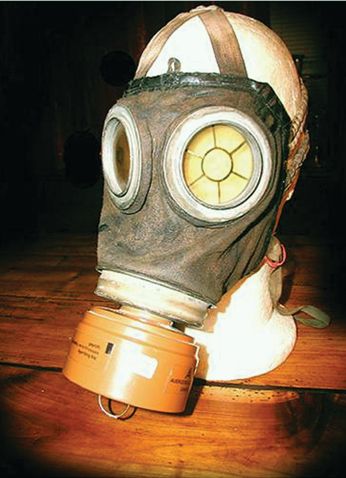
A gas mask, also known as a respirator, is a vital piece of personal protective equipment (PPE) designed to safeguard the wearer from airborne contaminants. These contaminants can range from harmful gases and vapors to particulate matter like dust and smoke. In essence, a gas mask acts as a barrier, filtering or supplying clean air to the user, allowing them to breathe safely in hazardous environments.

The core function of a gas mask revolves around two critical components: the facepiece and the filtration system. The facepiece creates an airtight seal around the face, preventing contaminated air from entering. The filtration system, which can include cartridges, canisters, or powered air-purifying respirators (PAPRs), removes or neutralizes harmful substances before the air is inhaled.

A Historical Journey Through Gas Mask Evolution

The history of the gas mask is deeply intertwined with the development of chemical warfare. During World War I, the widespread use of chlorine and other poisonous gases led to the rapid development of effective respiratory protection. Early gas masks consisted of simple cloth pads soaked in chemicals, but these quickly evolved into more sophisticated designs with integrated filters.

Gas masks: essential protection in a complex world

Throughout the 20th century, advancements in materials and filtration technology led to significant improvements in gas mask design. The development of activated carbon filters, for example, revolutionized the ability to remove a wide range of chemical vapors. Today, gas masks are used in various industries, from firefighting and industrial settings to military and civilian applications.

Types of Gas Masks and Their Applications

There are several types of gas masks, each designed for specific purposes and environments.

  • Air-Purifying Respirators (APRs): These masks use filters or cartridges to remove contaminants from the air. They are suitable for environments where the oxygen level is sufficient and the contaminants are known.

  • Supplied-Air Respirators (SARs): These masks provide clean air from an external source, such as a compressed air cylinder or an air compressor. They are used in environments with oxygen deficiency or high concentrations of contaminants.

  • Self-Contained Breathing Apparatus (SCBAs): These masks provide a self-contained supply of breathable air, allowing the wearer to operate independently in hazardous environments. They are commonly used by firefighters and emergency responders.

  • Full-Face Respirators: These masks provide comprehensive protection for the face, including the eyes, nose, and mouth. They are used in environments with multiple hazards, such as chemical splashes and airborne contaminants.

Gas masks: essential protection in a complex world

The selection of the appropriate gas mask depends on the specific hazards present, the level of protection required, and the duration of exposure.

The Science Behind Gas Mask Filtration

The filtration system of a gas mask is crucial to its effectiveness. It typically consists of multiple layers of materials designed to remove different types of contaminants.

Activated carbon is a common filtration material that uses adsorption to remove chemical vapors and gases. It has a large surface area, allowing it to trap and hold a wide range of substances. HEPA filters (High-Efficiency Particulate Air) are used to remove particulate matter, such as dust, smoke, and biological aerosols. They are designed to capture at least 99.97% of particles 0.3 microns in diameter.

In some cases, chemical filters are used to neutralize specific contaminants through chemical reactions. These filters are designed to target specific hazards, such as acid gases or ammonia.

Modern Applications and Future Innovations

Gas masks: essential protection in a complex world

Today, gas masks play a crucial role in various industries and applications. They are used in industrial settings to protect workers from chemical exposures, in firefighting to provide respiratory protection in smoke-filled environments, and in military and law enforcement to safeguard against chemical and biological threats.

Ongoing research and development are focused on improving the performance, comfort, and usability of gas masks. Innovations such as advanced filtration materials, lightweight designs, and integrated communication systems are enhancing the effectiveness and versatility of these vital protective devices.

As the world continues to face new and evolving threats, the role of gas masks in ensuring personal safety and protection will remain paramount.

Your trusted air conditioning company: comfort and reliability

Your trusted air conditioning company: comfort and reliability

Why Choose the Right Air Conditioning Company?

When the summer heat hits, or when unexpected malfunctions occur, you need an air conditioning company you can rely on. More than just a service provider, we understand the importance of a comfortable home or workspace. That's why we're dedicated to delivering exceptional service, from initial consultation to ongoing maintenance.
Choosing the right company means investing in your comfort and peace of mind. It's about finding a team that's not only skilled but also committed to ensuring your system operates at peak performance.

Our Comprehensive Air Conditioning Services

We offer a full range of services to meet all your air conditioning needs:

  • Installation: Expert installation of new air conditioning systems, tailored to your specific requirements. We ensure optimal efficiency and performance.

  • Repair: Fast and reliable repairs to get your system back up and running quickly. Our technicians are trained to diagnose and fix a wide range of issues.

  • Maintenance: Regular maintenance to keep your system in top condition, preventing costly breakdowns and extending its lifespan.

  • Duct Cleaning: Improve your indoor air quality and system efficiency with thorough duct cleaning services.

  • Emergency Services: We understand that breakdowns can happen at any time. That's why we offer 24/7 emergency services.

Your trusted air conditioning company: comfort and reliability

The Importance of Professional Air Conditioning Installation

Proper installation is crucial for the efficiency and longevity of your air conditioning system. A poorly installed unit can lead to increased energy consumption, frequent breakdowns, and reduced lifespan. Our certified technicians have the expertise to ensure your system is installed correctly, providing you with optimal performance and energy savings.

We take the time to assess your specific needs and recommend the best system for your home or business. We handle every aspect of the installation process, from selecting the right unit to ensuring proper ductwork and electrical connections.

Reliable Air Conditioning Repair Services

When your air conditioning system breaks down, you need a repair service you can trust. Our team of experienced technicians is equipped to handle all types of repairs, from minor issues to major malfunctions. We understand the urgency of these situations and strive to provide prompt and efficient service.

Your trusted air conditioning company: comfort and reliability

We use only high-quality parts and advanced diagnostic tools to ensure accurate and lasting repairs. Our goal is to get your system back up and running as quickly as possible, restoring comfort to your home or workspace.

Why Regular Air Conditioning Maintenance Matters

Regular maintenance is essential for keeping your air conditioning system in peak condition. It helps prevent costly breakdowns, improves energy efficiency, and extends the lifespan of your unit. Our comprehensive maintenance services include:

  • Cleaning and inspecting coils

  • Checking refrigerant levels

  • Inspecting and tightening electrical connections

  • Cleaning or replacing air filters

  • Testing system performance

By investing in regular maintenance, you can ensure your system operates efficiently and reliably, saving you money on energy bills and repairs.

Our Commitment to Customer Satisfaction

Your trusted air conditioning company: comfort and reliability

At our air conditioning company, customer satisfaction is our top priority. We're committed to providing exceptional service and building long-lasting relationships with our clients. We take the time to understand your needs and provide personalized solutions that meet your specific requirements.

We believe in transparency and honesty, providing clear and upfront pricing and keeping you informed throughout the entire process. Our goal is to exceed your expectations and ensure your complete satisfaction.

Contact Us Today for Your Air Conditioning Needs

Don't wait until the heat hits. Contact our air conditioning company today for all your installation, repair, and maintenance needs. Our friendly and knowledgeable team is ready to assist you.

We serve [Your Service Area] and are dedicated to providing reliable and efficient air conditioning services to our community. Experience the difference with our expert team and enjoy the comfort you deserve.

Wednesday, June 4, 2025

Good air conditioning: your ultimate guide to staying cool

Good air conditioning: your ultimate guide to staying cool

Imagine stepping into a cool, refreshing room on a scorching hot day. That's the magic of good air conditioning. But what exactly makes air conditioning "good"? It's more than just blowing cold air; it's about comfort, efficiency, and reliability. Let's explore everything you need to know to make informed choices and keep your space perfectly chilled.

Understanding the Basics of Air Conditioning

Before diving into the specifics of what makes air conditioning "good," it's helpful to understand the basic principles. Air conditioners work by removing heat and humidity from the air inside your home or office. This process involves a refrigerant, a compressor, a condenser, and an evaporator. The refrigerant absorbs heat, the compressor pressurizes it, the condenser releases the heat outside, and the evaporator cools the air that's circulated back inside.

Key Components of a Good Air Conditioning System

  • Efficient Compressor: The heart of the system, a high-quality compressor, ensures efficient cooling and longer lifespan.
  • High-Efficiency Condenser and Evaporator Coils: These components maximize heat transfer, leading to better cooling performance.
  • Proper Air Filtration: A good filter removes dust, pollen, and other allergens, improving indoor air quality.
  • Smart Thermostat: Programmable thermostats allow you to control the temperature and save energy.
  • Durable Construction: Robust materials and build quality ensure long-term reliability.

What Makes Air Conditioning "Good"?

Good air conditioning: your ultimate guide to staying cool

Beyond the technical components, several factors contribute to a good air conditioning experience:

Energy Efficiency

A highly efficient air conditioner not only saves you money on your energy bills but also reduces your environmental impact. Look for units with high SEER (Seasonal Energy Efficiency Ratio) ratings. The higher the SEER, the more efficient the unit.

Consistent Cooling

Good air conditioning provides consistent and even cooling throughout your space. No more hot and cold spots! This is achieved through proper sizing and installation.

Quiet Operation

No one wants a noisy air conditioner. Modern units are designed to operate quietly, allowing you to relax and enjoy the cool air without distractions.

Reliability and Durability

A good air conditioning system is built to last. It should require minimal maintenance and provide years of reliable service.

Air Quality Improvement

Good air conditioning: your ultimate guide to staying cool

Beyond cooling, a good air conditioner also improves indoor air quality by filtering out pollutants and allergens. This is especially important for people with allergies or respiratory conditions.

Choosing the Right Air Conditioning System

Selecting the right air conditioning system depends on several factors, including the size of your space, your climate, and your budget.

Types of Air Conditioning Systems

  • Central Air Conditioning: Ideal for cooling entire homes or large spaces.
  • Ductless Mini-Splits: Perfect for individual rooms or areas without ductwork.
  • Window Air Conditioners: Suitable for small rooms or apartments.
  • Portable Air Conditioners: Convenient for temporary cooling or moving from room to room.

Professional Installation and Maintenance

Good air conditioning: your ultimate guide to staying cool

Even the best air conditioner will perform poorly if it's not installed correctly. Professional installation ensures optimal performance and efficiency. Regular maintenance, such as cleaning filters and checking refrigerant levels, is also essential for keeping your system running smoothly.

The Benefits of Investing in Good Air Conditioning

Investing in good air conditioning offers numerous benefits, including:

  • Enhanced Comfort: Enjoy a cool and comfortable environment all year round.
  • Improved Health: Breathe cleaner air and reduce the risk of heat-related illnesses.
  • Increased Productivity: A comfortable environment can boost productivity and focus.
  • Energy Savings: Efficient units can significantly reduce your energy bills.
  • Increased Property Value: A well-maintained air conditioning system can add value to your home.

Conclusion

Good air conditioning is more than just a luxury; it's an essential part of modern living. By understanding the key components and factors that contribute to a quality system, you can make informed choices and enjoy a cool, comfortable, and healthy environment. Remember to prioritize energy efficiency, reliability, and air quality when selecting your air conditioning system. With the right system and proper maintenance, you can stay cool and comfortable for years to come.

The dynamic duo: furnace with air conditioning for year-round comfort

The dynamic duo: furnace with air conditioning for year-round comfort

Discover how combining a furnace and air conditioner creates the perfect climate control system for your home.

Understanding the Integrated System

A furnace with air conditioning isn't just two separate units; it's a carefully designed system that works together to maintain your home's ideal temperature. The core of this system is the shared ductwork, which distributes both heated and cooled air throughout your house. This integration saves space and streamlines the installation process. The furnace provides warmth during the colder months, while the air conditioner offers cooling relief during the summer. Together, they create a comprehensive climate solution.

The system utilizes a central thermostat to allow for easy control of the temperature, and many modern systems have smart thermostats that can learn your preferences and adjust automatically. This makes for a very user friendly experience.

Key Components and How They Work

Let's break down the essential components:

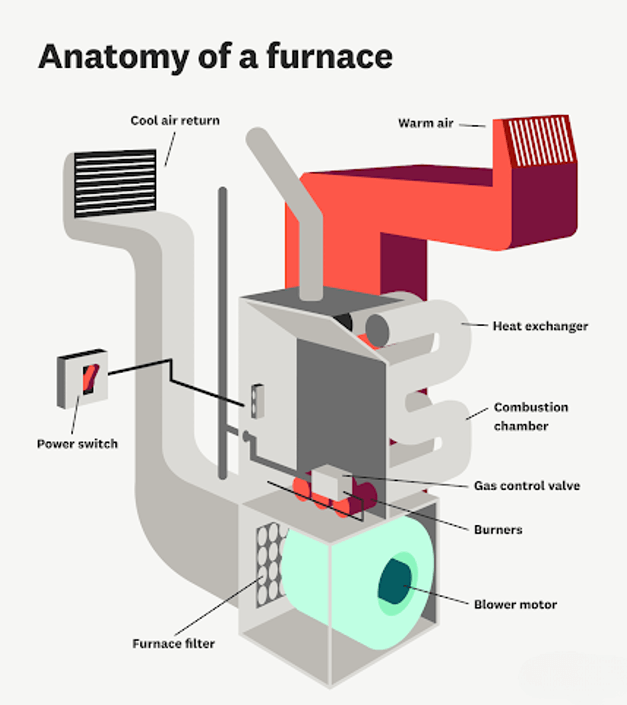
  • Furnace: The furnace, typically powered by natural gas, propane, or electricity, heats the air. A blower fan then circulates this heated air through the ductwork.
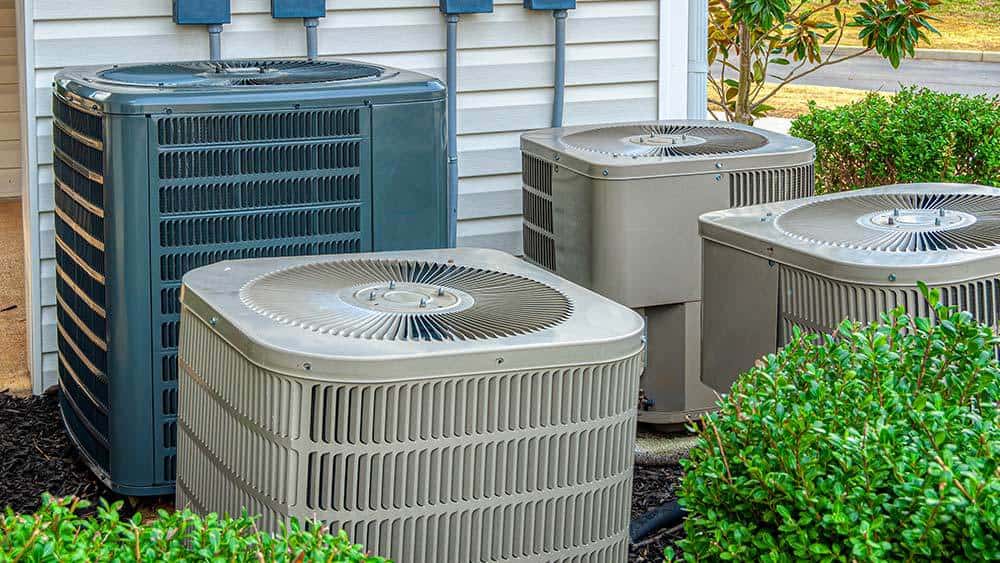
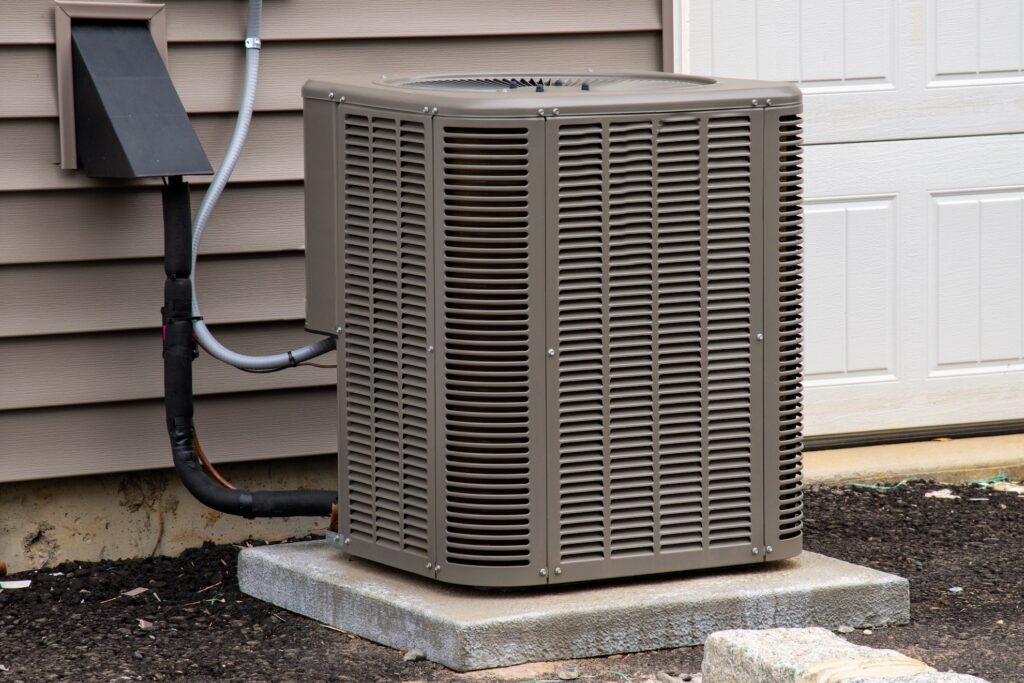
  • Air Conditioner: The air conditioner consists of an outdoor condenser unit and an indoor evaporator coil. The condenser unit compresses refrigerant, which then flows to the evaporator coil. The coil absorbs heat from the indoor air, cooling it down. The blower fan then distributes this cooled air.
  • Ductwork: This network of channels distributes the conditioned air throughout your home. Proper ductwork design and maintenance are crucial for optimal system performance.
  • Thermostat: The thermostat acts as the control center, allowing you to set and maintain your desired temperature. Modern smart thermostats can even learn your preferences and adjust automatically.

Benefits of a Combined System

The dynamic duo: furnace with air conditioning for year-round comfort

Choosing a furnace with air conditioning offers numerous advantages:

  • Efficiency: Integrated systems often operate more efficiently than separate units, saving you money on energy bills.
  • Space Savings: Combining heating and cooling into one system reduces the amount of equipment needed, freeing up valuable space in your home.
  • Convenience: A single thermostat controls both heating and cooling, simplifying temperature management.
  • Improved Air Quality: Modern systems often include advanced filtration options, helping to remove dust, allergens, and other pollutants from your indoor air.
  • Increased Home Value: A well-maintained and efficient HVAC system can increase your home's resale value.

Choosing the Right System

When selecting a furnace with air conditioning, consider the following factors:

  • Size and Capacity: Choose a system that's appropriately sized for your home to ensure optimal performance and efficiency.
  • Energy Efficiency: Look for systems with high AFUE (Annual Fuel Utilization Efficiency) ratings for furnaces and SEER (Seasonal Energy Efficiency Ratio) ratings for air conditioners.
  • Installation and Maintenance: Ensure that the system is installed by a qualified HVAC professional and schedule regular maintenance to keep it running smoothly.
  • Budget: Balance your budget with your needs and consider long-term energy savings.
  • Warranty: Look at the warranty offered by the manufacturer.
The dynamic duo: furnace with air conditioning for year-round comfort

Maintaining Your System

Regular maintenance is crucial for keeping your furnace with air conditioning system in top condition. Here are some key maintenance tips:

  • Change Air Filters Regularly: Clean or replace air filters every 1-3 months to maintain airflow and air quality.
  • Schedule Professional Tune-Ups: Have your system inspected and tuned up by a qualified HVAC technician at least once a year.
  • Clean Condenser Coils: Keep the outdoor condenser coils clean and free of debris.
  • Check Ductwork: Inspect ductwork for leaks or damage and seal any leaks to improve efficiency.
  • Test Thermostat: Ensure that your thermostat is functioning correctly and calibrating temperatures correctly.

Advanced Features

The dynamic duo: furnace with air conditioning for year-round comfort

Modern furnace with air conditioning systems offer a range of advanced features, including:

  • Smart Thermostats: These thermostats can learn your preferences, adjust automatically, and be controlled remotely.
  • Zoning Systems: Zoning systems allow you to control the temperature in different areas of your home independently.
  • Variable-Speed Blowers: Variable-speed blowers provide more precise airflow control and improve comfort.
  • Advanced Filtration: High-efficiency air filters and UV lights can remove more pollutants from your indoor air.

Conclusion

A furnace with air conditioning is a vital investment for any homeowner seeking year-round comfort. By understanding the components, benefits, and maintenance requirements of these integrated systems, you can make an informed decision and enjoy a comfortable and efficient home environment. Investing in a quality system, and maintaining it, will give you years of comfort.

Tuesday, June 3, 2025

The essential guide to water and heaters: keeping your home comfortable

The essential guide to water and heaters: keeping your home comfortable

Understanding Your Home's Water Heating System

Your home's water heater is a crucial appliance, providing the warm water you need for showers, baths, laundry, and dishwashing. But how do they work, and what types are available? Let's explore the fundamentals.

At its core, a water heater heats water and stores it until you need it. Traditional models use a tank to hold and heat water, while tankless models heat water on demand. Understanding the differences is key to choosing the right system for your needs.

Types of Water Heaters

  • Tank Water Heaters: These are the most common type. They store a large volume of water and continuously heat it, ensuring a ready supply. However, they can waste energy by constantly heating water, even when you're not using it.

  • Tankless Water Heaters: Also known as on-demand heaters, these heat water as you need it. This eliminates standby energy loss and provides an endless supply of hot water. However, they can have a higher initial cost.

  • Heat Pump Water Heaters: These energy-efficient models use electricity to move heat from one place to another, rather than generating heat directly. They can significantly reduce your energy bills.

  • Solar Water Heaters: Utilizing the sun's energy, these systems can provide a sustainable and cost-effective way to heat water. They are especially beneficial in sunny climates.

The essential guide to water and heaters: keeping your home comfortable

Maintaining Your Water Heater for Optimal Performance

Proper maintenance is essential to ensure your water heater operates efficiently and lasts longer. Regular checks and maintenance can prevent costly repairs and extend the life of your appliance.

Key Maintenance Tips

  • Flush the Tank: Sediment buildup can reduce efficiency and damage your heater. Flushing the tank annually removes sediment and keeps your heater running smoothly.

  • Check the Anode Rod: This rod protects your tank from corrosion. Replacing it every few years can significantly extend the life of your heater.

  • Inspect the Temperature and Pressure Relief Valve: This valve releases excess pressure to prevent explosions. Test it regularly to ensure it's functioning correctly.

  • Insulate the Pipes: Insulating hot water pipes can reduce heat loss and improve efficiency.

Troubleshooting Common Water Heater Issues

The essential guide to water and heaters: keeping your home comfortable

Even with proper maintenance, you may encounter issues with your water heater. Knowing how to troubleshoot common problems can save you time and money.

Common Problems and Solutions

  • No Hot Water: Check the circuit breaker or gas supply. If those are fine, the heating element or thermostat may be faulty.

  • Lukewarm Water: This could be due to a faulty thermostat, sediment buildup, or a problem with the heating element.

  • Leaks: Check for leaks around the tank, pipes, and valves. Leaks can indicate corrosion or loose connections.

  • Strange Noises: Rumbling or popping noises can be caused by sediment buildup. Flushing the tank can usually resolve this issue.

The Importance of Water Quality for Your Heater

The essential guide to water and heaters: keeping your home comfortable

The quality of your water plays a big role in the lifespan and efficiency of your heater. Hard water, for instance, contains high mineral content that can lead to sediment buildup and corrosion.

Using a water softener can help mitigate the effects of hard water, protecting your water heater and improving its performance. Regular water testing can help you understand the quality of your water and take appropriate measures.

Choosing the Right Water Heater for Your Needs

Selecting the right water heater depends on several factors, including your household size, energy efficiency preferences, and budget. Consider the following when making your decision:

  • Capacity: Choose a heater with sufficient capacity to meet your household's hot water needs.

  • Energy Efficiency: Look for models with high energy factor (EF) ratings to save on energy costs.

  • Fuel Type: Decide whether you prefer electric, gas, or solar-powered heaters.

  • Installation: Consider the cost and complexity of installation, especially for tankless or solar models.

Tankless water heaters: natural gas - the ultimate guide

Tankless water heaters: natural gas - the ultimate guide

Imagine never running out of hot water again. No more waiting for a tank to refill after a long shower. That's the promise of a tankless water heater, and when powered by natural gas, it can be an incredibly efficient and cost-effective solution. This guide will explore everything you need to know about tankless natural gas water heaters, from their benefits and how they work to installation and maintenance.

What is a Tankless Natural Gas Water Heater?

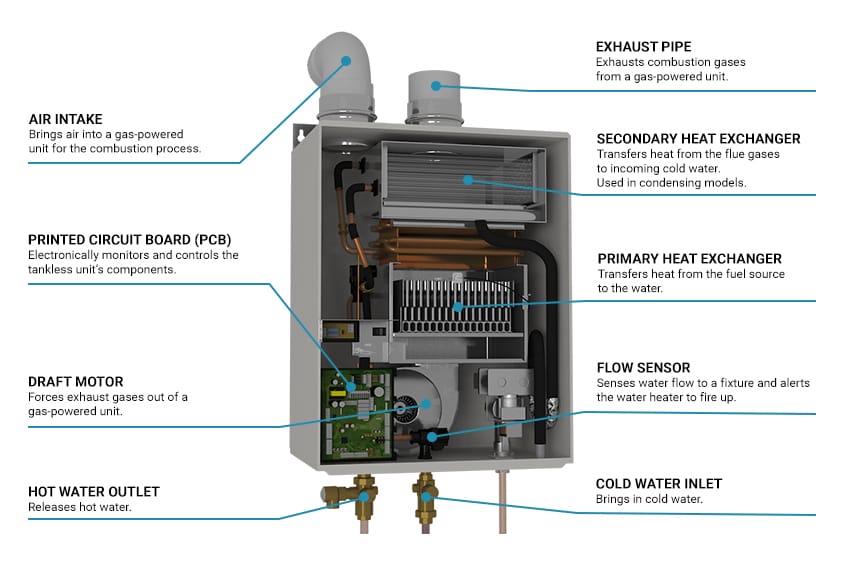
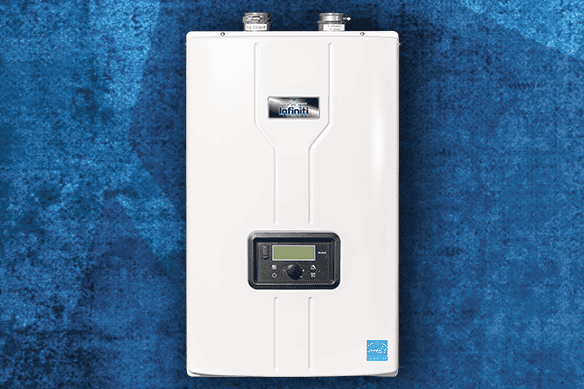
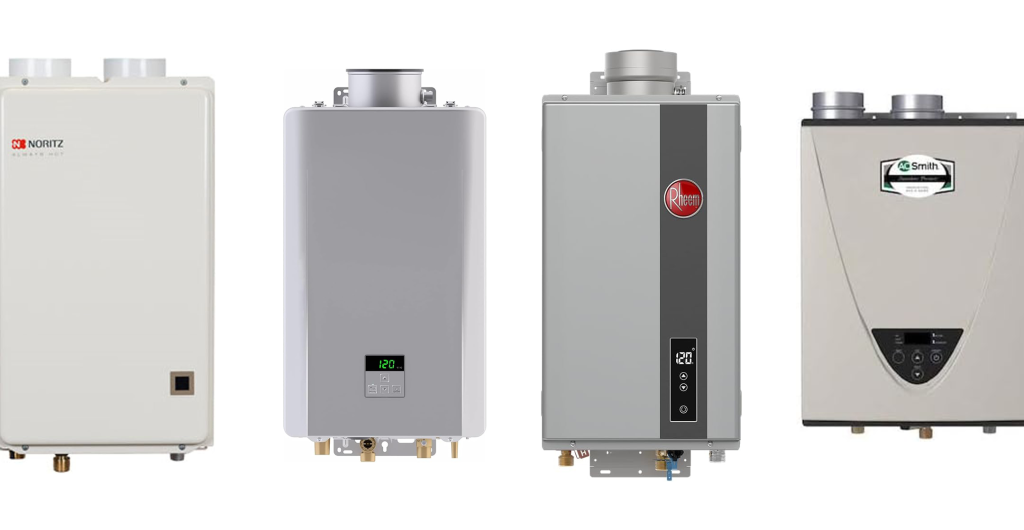
Unlike traditional tank water heaters that store and heat a large volume of water, a tankless water heater, also known as an on-demand water heater, heats water only when needed. When you turn on a hot water faucet, cold water flows into the unit. A powerful natural gas burner then heats the water as it passes through a heat exchanger, providing you with a continuous supply of hot water.

Benefits of Natural Gas Tankless Water Heaters

  • Endless Hot Water: Never run out of hot water, even during peak demand.
  • Energy Efficiency: Tankless units only heat water when needed, reducing standby energy losses.
  • Space Savings: Compact design frees up valuable floor space compared to bulky tank water heaters.
  • Longer Lifespan: Tankless units typically last longer than traditional tank heaters, often 20 years or more.
  • Lower Operating Costs: While the initial cost may be higher, long-term energy savings can offset the expense.

How Natural Gas Tankless Water Heaters Work

Tankless water heaters: natural gas - the ultimate guide

The process is quite simple yet ingenious. When a hot water tap is turned on, a flow sensor detects the demand. This triggers the natural gas burner to ignite, heating the water as it flows through the heat exchanger. The heated water is then delivered to the faucet or appliance. Once the demand stops, the burner shuts off, conserving energy.

Key Components:

  • Flow Sensor: Detects water flow and activates the heating process.
  • Natural Gas Burner: Heats the water as it passes through the heat exchanger.
  • Heat Exchanger: Transfers heat from the burner to the water.
  • Control Panel: Allows you to adjust temperature settings and monitor performance.
  • Ventilation System: Safely exhausts combustion gases.

Choosing the Right Size and Capacity

Selecting the right size and capacity is crucial for optimal performance. Consider the following factors:

  • Flow Rate (GPM): Determine the maximum flow rate required for your household. This is measured in gallons per minute (GPM).
  • Temperature Rise: Calculate the difference between the incoming cold water temperature and the desired hot water temperature.
  • Number of Fixtures: Consider the number of hot water fixtures (showers, faucets, appliances) that may be used simultaneously.
Tankless water heaters: natural gas - the ultimate guide

Consulting with a qualified plumber or HVAC professional can help you determine the appropriate size and capacity for your specific needs.

Installation and Maintenance

Installation of a natural gas tankless water heater should always be performed by a licensed professional. This ensures proper venting, gas line connections, and electrical wiring. Proper maintenance is also essential for optimal performance and longevity. Regular maintenance tasks may include:

  • Flushing the Heat Exchanger: Remove mineral buildup and sediment.
  • Checking Gas Connections: Ensure there are no leaks.
  • Inspecting Ventilation: Verify proper venting and airflow.
  • Cleaning Air Filters: Maintain proper airflow for efficient combustion.

Cost Considerations

Tankless water heaters: natural gas - the ultimate guide

The initial cost of a natural gas tankless water heater is typically higher than a traditional tank heater. However, the long-term energy savings can offset the initial investment. Consider the following cost factors:

  • Unit Cost: Varies depending on size, capacity, and brand.
  • Installation Cost: Includes labor and materials for gas line connections, venting, and electrical wiring.
  • Operating Costs: Lower energy bills due to on-demand heating.
  • Maintenance Costs: Regular maintenance can extend the lifespan and prevent costly repairs.

Safety Precautions

Natural gas appliances require proper ventilation to prevent carbon monoxide buildup. Ensure that the ventilation system is properly installed and maintained. Install carbon monoxide detectors in your home to ensure safety.

Conclusion

Tankless natural gas water heaters offer numerous benefits, including endless hot water, energy efficiency, and space savings. By carefully considering your needs and consulting with a professional, you can choose the right unit for your home and enjoy years of reliable hot water.

Monday, June 2, 2025

Air conditioning service: keep your cool, stay comfortable

Air conditioning service: keep your cool, stay comfortable

Why Regular Air Conditioning Service Matters

Imagine trying to run a marathon without ever stretching or training. It's not going to go well, right? The same principle applies to your air conditioning system. Regular air conditioning service is essential for maintaining peak performance, extending the lifespan of your unit, and ensuring your home stays comfortably cool.

Neglecting routine maintenance can lead to a host of problems, including reduced efficiency, increased energy bills, and even premature system failure. Think of it like this: a well-maintained AC system is like a finely tuned instrument, ready to deliver optimal performance when you need it most.

  • Improved Energy Efficiency: Clean filters and properly functioning components ensure your AC runs efficiently, saving you money on your energy bills.
  • Extended System Lifespan: Regular service can prevent minor issues from becoming major, costly repairs, ultimately extending the life of your AC unit.
  • Enhanced Air Quality: Clean filters remove dust, pollen, and other allergens, improving the air quality in your home.
  • Reliable Performance: Scheduled maintenance helps identify and address potential problems before they lead to breakdowns, ensuring your AC is ready when you need it.

Air conditioning service: keep your cool, stay comfortable

What's Included in a Typical Air Conditioning Service?

A comprehensive air conditioning service typically involves a series of checks and tasks performed by a qualified technician. Here's a glimpse into what you can expect:

  1. Inspection and Cleaning of Coils: Dirty coils can significantly reduce your AC's efficiency. Technicians will clean both the evaporator and condenser coils.
  2. Filter Replacement: Replacing dirty filters is crucial for maintaining airflow and air quality.
  3. Checking Refrigerant Levels: Proper refrigerant levels are essential for optimal cooling. Technicians will check for leaks and recharge the system if necessary.
  4. Inspecting Electrical Components: Loose connections or damaged wiring can pose a safety hazard. Technicians will inspect and tighten connections as needed.
  5. Testing Thermostat Accuracy: An accurate thermostat ensures your AC maintains the desired temperature.
  6. Checking Blower Motor and Fan: Proper airflow is essential for efficient cooling. Technicians will inspect and lubricate the blower motor and fan.
  7. Drain Line Inspection: Clogged drain lines can lead to water damage. Technicians will ensure the drain line is clear and functioning properly.

Choosing the Right Air Conditioning Service Provider

Air conditioning service: keep your cool, stay comfortable

Selecting a reputable and reliable air conditioning service provider is crucial for ensuring quality service and peace of mind. Here are some factors to consider:

  • Experience and Expertise: Look for technicians with proven experience and expertise in servicing various AC systems.
  • Certifications and Licensing: Ensure the company and its technicians are properly certified and licensed.
  • Customer Reviews and Testimonials: Check online reviews and testimonials to gauge customer satisfaction.
  • Service Warranties and Guarantees: Choose a provider that offers warranties and guarantees on their services.
  • Transparent Pricing: Get a clear and detailed estimate before any work begins.

It is always a good idea to get multiple quotes, and ask detailed questions about the service that is going to be performed. A great air conditioning service company will be happy to answer your questions.

DIY Maintenance Tips

Air conditioning service: keep your cool, stay comfortable

While professional air conditioning service is essential, there are some DIY maintenance tasks you can perform to keep your AC running smoothly between service appointments:

  • Regularly Replace Air Filters: Check and replace air filters every 1-3 months, depending on usage.
  • Keep Outdoor Unit Clean: Remove debris and vegetation from around the outdoor unit.
  • Ensure Proper Airflow: Keep vents and registers clear of obstructions.
  • Monitor for Unusual Noises or Smells: If you notice any unusual noises or smells, contact a professional immediately.

The Importance of Seasonal Air Conditioning Service

Many people only think of their air conditioner, when it is already hot. However, getting a seasonal air conditioning service is a great way to make sure that your unit is ready for the hottest months of the year. This also gives the technician a chance to find issues, before they become a big problem in the middle of a heat wave.

Ac heating: your comprehensive guide to year-round comfort

Ac heating: your comprehensive guide to year-round comfort

When most people think of air conditioning, they picture cool breezes on a hot summer day. But did you know that many modern AC systems also offer a heating function? This dual capability, often referred to as "AC heating" or "heat pump" technology, provides a versatile solution for maintaining comfortable indoor temperatures throughout the year. Let's delve into the ins and outs of AC heating and how it can benefit your home.

Understanding the Basics of AC Heating

At its core, AC heating relies on a process called the refrigeration cycle, which can be reversed to either cool or heat your home. In cooling mode, the system extracts heat from inside your home and releases it outdoors. In heating mode, this process is reversed: it extracts heat from the outside air (yes, even cold air contains some heat) and transfers it indoors. This makes AC heating systems, particularly heat pumps, incredibly efficient.

How Does a Heat Pump Work?

A heat pump uses a refrigerant that circulates between an indoor and outdoor unit. In heating mode, the outdoor unit absorbs heat from the surrounding air and transfers it to the refrigerant. The refrigerant is then compressed, which further raises its temperature. This hot refrigerant then flows to the indoor unit, where it releases heat into your home. The cooled refrigerant then returns to the outdoor unit to repeat the cycle.

The Advantages of AC Heating

Choosing an AC system with a heating function offers numerous benefits:

  • Energy Efficiency: Heat pumps are known for their high energy efficiency, especially compared to traditional electric resistance heating. They can provide more heat per unit of energy consumed.
  • Year-Round Comfort: With both cooling and heating capabilities, you can maintain a comfortable indoor temperature regardless of the season.
  • Space Saving: A single system can handle both your cooling and heating needs, eliminating the need for separate units.
  • Environmentally Friendly: Heat pumps use electricity and transfer heat rather than burning fossil fuels, making them a more sustainable option.
  • Improved Air Quality: Modern AC systems often include air filtration features, which can help remove dust, pollen, and other allergens from your indoor air.

Ac heating: your comprehensive guide to year-round comfort

Choosing the Right AC Heating System

When selecting an AC system with heating capabilities, consider the following factors:

Size and Capacity

The size of your home and the climate in your area will determine the appropriate size and capacity of your AC heating system. A system that's too small won't be able to effectively heat or cool your home, while a system that's too large can lead to short cycling and reduced efficiency.

Energy Efficiency Ratings

Look for systems with high energy efficiency ratings, such as SEER (Seasonal Energy Efficiency Ratio) for cooling and HSPF (Heating Seasonal Performance Factor) for heating. These ratings indicate how efficiently the system operates.

Features and Technology

Consider features such as programmable thermostats, zoning capabilities, and smart home integration. These features can enhance your comfort and control over your indoor environment. Also, look for systems that have inverter technology, as this technology increases the efficiency of the unit.

Professional Installation

Ac heating: your comprehensive guide to year-round comfort

Proper installation is crucial for the performance and longevity of your AC heating system. Hire a qualified HVAC technician to ensure that your system is installed correctly.

Maintaining Your AC Heating System

Regular maintenance is essential for keeping your AC heating system running efficiently and reliably. This includes:

  • Regular Filter Changes: Clean or replace your air filters regularly to maintain proper airflow and air quality.
  • Professional Tune-Ups: Schedule annual tune-ups with a qualified HVAC technician to inspect and clean your system.
  • Checking Refrigerant Levels: Ensure that your system has the proper refrigerant levels for optimal performance.
  • Cleaning Outdoor Units: Keep the outdoor unit free from debris and obstructions.

Conclusion

AC heating systems, particularly heat pumps, offer a versatile and efficient solution for year-round comfort. By understanding the basics of how these systems work and considering the factors involved in choosing and maintaining them, you can ensure that your home remains comfortable and energy-efficient throughout the year. With the right system and proper maintenance, you can enjoy the benefits of reliable heating and cooling for years to come.

The comprehensive guide to aircon and heating units: your year-round comfort solution

The comprehensive guide to aircon and heating units: your year-round comfort solution

Imagine stepping into a perfectly comfortable home, no matter the weather outside. That's the power of a reliable aircon and heating unit. These systems are more than just appliances; they're essential for maintaining a healthy and enjoyable living space. In this guide, we'll explore everything you need to know about these versatile units, from their basic functions to advanced maintenance tips.

Understanding the Basics: What is an Aircon and Heating Unit?

An aircon and heating unit, often referred to as a HVAC (Heating, Ventilation, and Air Conditioning) system, is designed to regulate the temperature and air quality within your home. These systems can cool your home during hot summer months and warm it during chilly winters. Modern units offer a range of features, including air filtration, humidity control, and energy-saving modes.

Types of Aircon and Heating Units

There are several types of aircon and heating units, each with its own set of advantages and disadvantages. Here's a quick overview:

  • Central Air Conditioning and Heating: These systems use a network of ducts to distribute conditioned air throughout your home. They're ideal for larger homes and offer consistent temperature control.
  • Ductless Mini-Splits: These units are perfect for homes without existing ductwork. They consist of an outdoor compressor and indoor air handlers, allowing for zoned temperature control.
  • Heat Pumps: These systems can both heat and cool your home by transferring heat between the indoor and outdoor environments. They're highly energy-efficient and suitable for moderate climates.
  • Window Air Conditioners: These are individual units that fit into a window frame. They're ideal for cooling single rooms and are relatively inexpensive.

The comprehensive guide to aircon and heating units: your year-round comfort solution

Key Factors to Consider When Choosing a Unit

Selecting the right aircon and heating unit for your home involves several important considerations:

1. Size and Capacity

The size of your home and the capacity of the unit are crucial factors. A unit that's too small won't effectively cool or heat your space, while a unit that's too large can lead to short cycling and wasted energy. Calculate the square footage of your home and consult with a professional to determine the appropriate BTU (British Thermal Unit) rating.

2. Energy Efficiency

Look for units with high SEER (Seasonal Energy Efficiency Ratio) and HSPF (Heating Seasonal Performance Factor) ratings. These ratings indicate how efficiently the unit uses energy. Investing in an energy-efficient unit can save you money on your utility bills in the long run. Also look for the Energy Star logo. Energy efficient aircon and heating units can save you a large amount of money over the life of the unit.

3. Features and Technology

The comprehensive guide to aircon and heating units: your year-round comfort solution

Modern aircon and heating units come with a variety of features, such as programmable thermostats, smart home integration, and advanced air filtration. Consider which features are important to you and choose a unit that meets your needs.

4. Installation and Maintenance

Proper installation is essential for the optimal performance and longevity of your unit. Hire a qualified HVAC technician to install your system. Regular maintenance, including cleaning filters and checking for leaks, is also crucial. Aircon and heating unit maintanence is key to long life of the unit.

Maintaining Your Aircon and Heating Unit

Regular maintenance is key to keeping your aircon and heating unit running smoothly. Here are some essential maintenance tips:

  • Clean or Replace Filters: Dirty filters can restrict airflow and reduce efficiency. Clean or replace your filters every one to three months.
  • Schedule Professional Tune-Ups: Have your unit inspected and serviced by a qualified technician at least once a year.
  • Check for Leaks: Inspect your unit for refrigerant leaks, which can affect its performance and efficiency.
  • Clean Outdoor Unit: Remove debris and vegetation from around the outdoor unit to ensure proper airflow.

The comprehensive guide to aircon and heating units: your year-round comfort solution

The Benefits of a High-Quality Aircon and Heating Unit

Investing in a high-quality aircon and heating unit offers numerous benefits, including:

  • Improved Comfort: Enjoy consistent and comfortable temperatures year-round.
  • Enhanced Air Quality: Breathe easier with advanced air filtration systems.
  • Energy Savings: Reduce your utility bills with energy-efficient units.
  • Increased Property Value: A modern HVAC system can increase the value of your home.

In conclusion, a well-chosen and properly maintained aircon and heating unit is essential for a comfortable and healthy home. By understanding the different types of units, considering key factors, and following maintenance tips, you can ensure your home remains a haven of comfort, no matter the weather.

Friday, May 30, 2025

Heating & air: your guide to year-round comfort

Heating & air: your guide to year-round comfort

The Importance of a Reliable Heating and Air System

Imagine a sweltering summer day or a bitterly cold winter night. Now, imagine your home, perfectly comfortable, regardless of the weather outside. This is the power of a well-maintained heating and air system. It's not just about temperature; it's about creating a healthy, comfortable, and efficient living space.

A functional HVAC (Heating, Ventilation, and Air Conditioning) system is essential for maintaining indoor air quality. It filters out dust, allergens, and pollutants, ensuring the air you breathe is clean and fresh. In regions with extreme temperatures, a reliable system is crucial for safety and well-being.

Understanding Heating Systems

Heating systems come in various forms, each with its own benefits. From traditional furnaces to modern heat pumps, understanding your options is key to making an informed decision.

  • Furnaces: These are the most common heating systems, using natural gas, propane, or electricity to heat air and distribute it through ducts.
  • Heat Pumps: These systems transfer heat rather than generating it, making them highly efficient. They can also reverse the process to provide cooling in the summer.
  • Boilers: Boilers heat water, which is then circulated through radiators or baseboard heaters to warm a room.
  • Ductless Mini-Splits: These systems offer zoned heating and cooling, allowing you to control the temperature in individual rooms.

When choosing a heating system, consider factors such as energy efficiency, fuel type, and the size of your home. A properly sized and installed system can significantly reduce your energy bills and improve your comfort.

Cooling Down with Air Conditioning

Air conditioning is more than just a luxury; it's a necessity in many climates. A well-functioning AC system not only keeps you cool but also helps to dehumidify the air, preventing mold growth and improving indoor air quality.

  • Central Air Conditioning: This system uses a network of ducts to distribute cool air throughout your home.
  • Window Air Conditioners: These are individual units that cool a single room, offering a cost-effective solution for smaller spaces.
  • Ductless Mini-Splits: As mentioned earlier, these systems can also provide efficient cooling.

Regular maintenance is crucial for keeping your AC system running efficiently. This includes cleaning or replacing air filters, checking refrigerant levels, and ensuring proper airflow.

The Importance of Regular HVAC Maintenance

Heating & air: your guide to year-round comfort

Just like your car, your heating and air system needs regular maintenance to function optimally. Neglecting maintenance can lead to reduced efficiency, increased energy bills, and costly repairs.

  • Improved Efficiency: Regular maintenance ensures your system runs at peak performance, saving you money on energy bills.
  • Extended Lifespan: Proper care can significantly extend the lifespan of your HVAC system.
  • Enhanced Air Quality: Clean filters and coils help to remove dust, allergens, and pollutants from the air.
  • Preventative Repairs: Regular inspections can identify and address potential issues before they become major problems.

Consider scheduling annual maintenance checks with a qualified HVAC technician. They can inspect your system, clean components, and make any necessary adjustments to ensure optimal performance.

Choosing the Right HVAC Professional

When it comes to installing or servicing your heating and air system, choosing the right professional is essential. Look for a licensed and certified technician with experience in your specific type of system.

Ask for references, read online reviews, and get multiple quotes before making a decision. A reputable HVAC professional will provide transparent pricing, quality workmanship, and excellent customer service.

Energy Efficiency and Savings

Investing in an energy-efficient heating and air system can lead to significant savings on your energy bills. Look for systems with high SEER (Seasonal Energy Efficiency Ratio) and AFUE (Annual Fuel Utilization Efficiency) ratings.

Consider programmable thermostats, which allow you to adjust the temperature based on your schedule, further reducing energy consumption. Sealing air leaks and insulating your home can also help to improve energy efficiency.

Conclusion

A reliable heating and air system is essential for year-round comfort and well-being. By understanding your options, prioritizing maintenance, and choosing the right professional, you can ensure your home remains a comfortable and healthy environment, no matter the weather.

Popular Posts