Tuesday, May 20, 2025

Everything you need to know about hot water tanks

Everything you need to know about hot water tanks

A reliable hot water tank is essential for comfortable living. Whether you're taking a warm shower, washing dishes, or doing laundry, having a consistent supply of hot water is crucial. This comprehensive guide will walk you through everything you need to know about hot water tanks, from understanding the different types to maintaining them for optimal performance.

Understanding the Basics of Hot Water Tanks

A hot water tank, also known as a water heater, is a device that heats and stores hot water for various household uses. These tanks come in various sizes and types, each with its own set of advantages and disadvantages. Let's delve into the different types available.

Types of Hot Water Tanks

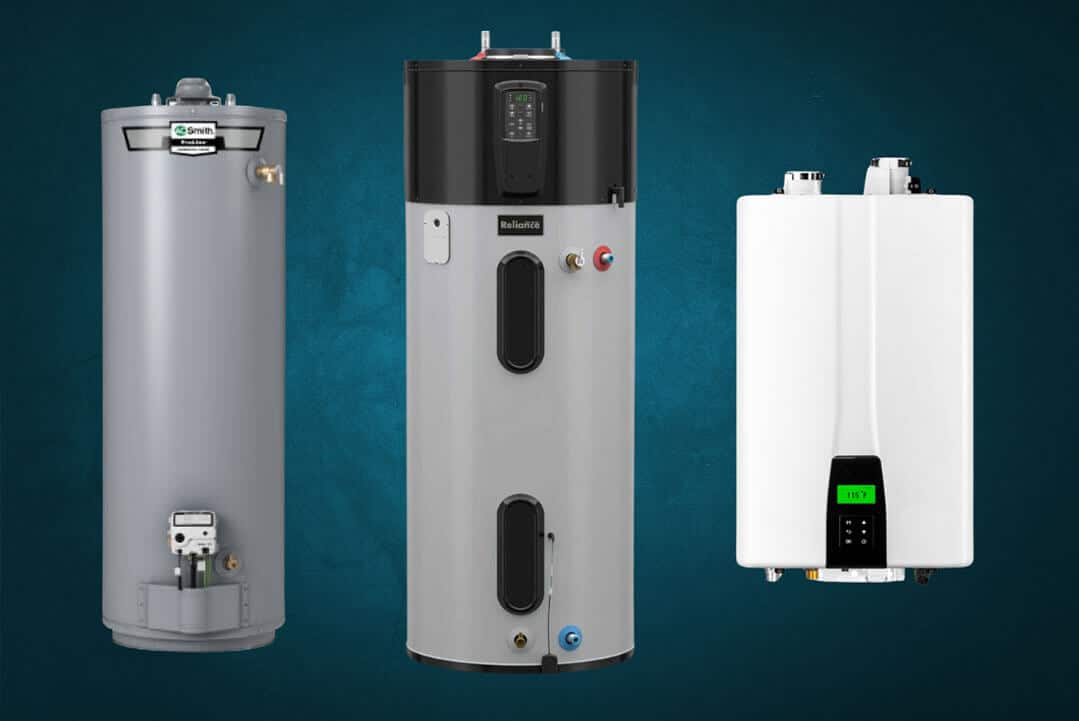
  • Traditional Storage Tanks: These are the most common type of hot water tanks. They store hot water in a large insulated tank, ready for use. They are typically powered by gas or electricity.
  • Tankless Water Heaters: Also known as on-demand water heaters, these units heat water only when needed. They don't store water, which can save energy and space.
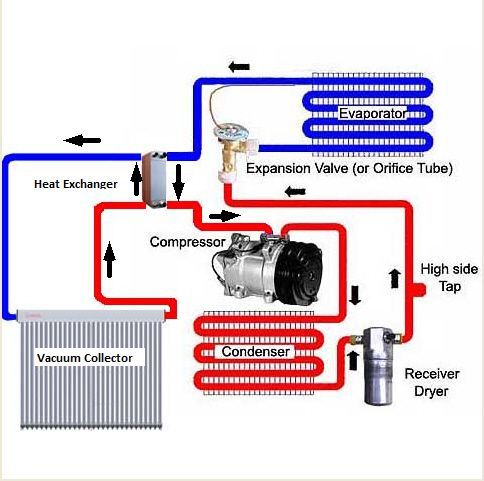
  • Heat Pump Water Heaters: These energy-efficient units use electricity to move heat from one place to another, similar to a refrigerator. They can be more expensive upfront but offer significant energy savings over time.
  • Solar Water Heaters: Utilizing solar energy, these systems use solar collectors on the roof to heat water. They are environmentally friendly and can reduce energy costs.

Choosing the Right Hot Water Tank

Selecting the right hot water tank depends on several factors, including your household's hot water needs, energy efficiency preferences, and budget.

Factors to Consider:

Everything you need to know about hot water tanks

  1. Size and Capacity: Determine the right size tank based on the number of people in your household and your average hot water usage.
  2. Energy Efficiency: Look for tanks with high Energy Factor (EF) ratings, indicating better energy efficiency.
  3. Fuel Type: Decide between gas, electric, or solar-powered tanks based on availability and cost.
  4. Budget: Consider the initial cost of the tank and the long-term energy savings.
  5. Space Requirements: Ensure you have enough space for the tank, especially if you're considering a traditional storage tank.

Maintenance and Care

Regular maintenance is crucial for prolonging the life of your hot water tank and ensuring efficient operation.

Essential Maintenance Tips:

  • Flush the Tank: Regularly flush the tank to remove sediment buildup, which can reduce efficiency and lifespan.
  • Check the Anode Rod: Inspect and replace the anode rod as needed to prevent corrosion.
  • Inspect for Leaks: Regularly check for leaks around the tank and connections.
  • Insulate the Tank: Insulate the tank to reduce heat loss and improve energy efficiency.
  • Adjust the Temperature: Set the temperature to a safe and efficient level (around 120°F).
Everything you need to know about hot water tanks

Energy Efficiency and Savings

Choosing an energy-efficient hot water tank can lead to significant savings on your energy bills. Look for tanks with high EF ratings and consider tankless or heat pump options for maximum efficiency.

Tips for Saving Energy:

  • Use Low-Flow Fixtures: Install low-flow showerheads and faucets to reduce hot water usage.
  • Wash Clothes in Cold Water: Whenever possible, wash clothes in cold water to save energy.
  • Insulate Hot Water Pipes: Insulate hot water pipes to reduce heat loss and improve efficiency.
  • Schedule Regular Maintenance: Regular maintenance ensures your tank operates efficiently.

Everything you need to know about hot water tanks

Troubleshooting Common Issues

Even with proper maintenance, you may encounter issues with your hot water tank.

Common Problems and Solutions:

  • No Hot Water: Check the circuit breaker or gas supply. If the issue persists, contact a professional.
  • Leaking Tank: Immediately turn off the water and gas or electricity supply and contact a plumber.
  • Rusty Water: This could indicate a failing anode rod or corrosion. Flush the tank and check the anode rod.
  • Strange Noises: Unusual noises could indicate sediment buildup or a failing component. Flush the tank and inspect for issues.

Conclusion

Understanding the ins and outs of hot water tanks can help you make informed decisions and ensure a consistent supply of hot water for your home. By choosing the right tank, maintaining it properly, and focusing on energy efficiency, you can enjoy years of reliable hot water service.

Monday, May 19, 2025

Rent air conditioning: your guide to instant cool

Rent air conditioning: your guide to instant cool

Why Rent Air Conditioning?

When the heat hits, you need a solution fast. That's where renting air conditioning comes in. Whether you're dealing with a broken unit, a temporary event, or simply want to avoid the upfront cost of purchasing, renting provides a flexible and affordable way to stay cool.

Imagine this: your home AC suddenly stops working during a heatwave. Instead of waiting days for repairs or spending a fortune on a new system, you can have a rental unit delivered and installed quickly. Or, perhaps you're hosting an outdoor event and need to keep your guests comfortable. Renting portable air conditioners makes it easy to create a pleasant environment, no matter the location.

When Renting Makes Sense

  • Emergency Situations: When your existing AC breaks down, renting provides immediate relief.
  • Temporary Needs: For events, construction sites, or temporary offices, rentals are ideal.
  • Seasonal Cooling: If you only need AC for a few months each year, renting can be more cost-effective than buying.
  • Testing Before Buying: Renting allows you to try different AC types before committing to a purchase.
  • Budget Constraints: Renting avoids the large upfront cost of buying a new AC unit.

Types of Rental Air Conditioning Units

Rent air conditioning: your guide to instant cool

There's a wide variety of AC units available for rent, each designed to meet different needs:

  • Portable Air Conditioners: These are perfect for small rooms or temporary spaces. They're easy to move and require minimal installation.
  • Window Air Conditioners: Ideal for single rooms, window units are simple to install and provide efficient cooling.
  • Split Systems: These offer powerful cooling for larger areas and are often used in offices or events.
  • Industrial Air Conditioners: Designed for large spaces like warehouses or factories, these units provide heavy-duty cooling.
  • Evaporative Coolers: These work best in dry climates and use water evaporation to cool the air.

Choosing the Right Rental Service

When selecting a rental service, consider the following:

  • Reputation and Experience: Look for a company with positive reviews and a proven track record.
  • Unit Availability: Ensure they have the type and size of AC unit you need.
  • Delivery and Installation: Check if they offer prompt delivery and professional installation.
  • Maintenance and Support: Find out if they provide maintenance and support during the rental period.
  • Rental Terms and Costs: Compare rental terms and costs from different providers to find the best deal.
  • Emergency Services: Does the company offer 24/7 support in case of emergencies?
  • Energy Efficiency: If you are renting for a longer period of time, consider energy efficient models.

Rent air conditioning: your guide to instant cool

By considering these factors, you can ensure a smooth and hassle-free rental experience.

The Benefits of Professional Installation

While some portable AC units are designed for DIY setup, professional installation is crucial for larger or more complex systems. A professional installer will ensure that your AC unit is set up correctly, maximizing its efficiency and preventing potential issues. This includes proper ventilation, secure connections, and optimal placement for cooling.

Additionally, professional installation can help you avoid costly mistakes that could damage the unit or your property. They can also provide valuable advice on how to operate and maintain your rented AC unit for optimal performance.

Maintaining Your Rental AC Unit

Even though it's a rental, proper maintenance can help your AC unit perform better and last longer. Here are a few tips:

Rent air conditioning: your guide to instant cool

  • Clean the Filters: Regularly clean or replace the air filters to ensure proper airflow.
  • Check for Leaks: Inspect the unit for any signs of leaks or damage.
  • Keep the Area Clear: Ensure the unit has adequate space for ventilation.
  • Follow the Instructions: Adhere to the manufacturer's instructions for operation and maintenance.

Conclusion: Renting for Cool Comfort

Renting air conditioning offers a practical and cost-effective solution for a variety of cooling needs. Whether you're facing an emergency, hosting an event, or simply want to try before you buy, renting provides the flexibility and convenience you need to stay cool and comfortable.

By choosing the right rental service and maintaining your unit, you can enjoy the benefits of reliable cooling without the hassle of ownership. Don't let the heat get you down – consider renting air conditioning for instant relief.

Fashion brand name ideas

Fashion Brand Name Ideas: 300+ Unique, Trendy, and Catchy Names for Your Clothing Line

Why Your Fashion Brand Name Matters

First Impressions Are Everything

Let’s be real—your fashion brand name is the first thing people notice. Before they see your fabric, before they experience your designs, they hear your name. It’s your first handshake, your elevator pitch in three words or less. A killer name makes people curious. A boring one? It gets lost in the noise of a million other brands trying to be the next Gucci or Zara.

Consumers judge fast—within seconds. If your name doesn’t scream style, vibe, and intention, they’ll scroll right past it. Think of names like “Off-White,” “Fear of God,” or “House of Sunny.” They’re not just words—they’re moods, lifestyles, philosophies. That’s exactly what you want: a name that says more with less.

And this isn’t just about perception—it’s about SEO, too. A memorable, well-branded name gets searched, talked about, and shared. It sticks in people’s minds like their favorite hoodie. In a sea of fashion startups, standing out begins with what you call yourself.

So, don’t rush the process. Let your fashion brand name marinate like a good design sketch. It should evoke emotion, imagery, and above all—attention.

Branding Beyond the Logo

You might think your brand is all about aesthetics, fabrics, or cut—but your name carries the weight of your story. It’s your narrative in shorthand. When you hear “Balenciaga,” you don’t just think of clothes; you think luxury, audacity, controversy, and culture. That’s the power of naming.

Even the best logo design can’t compensate for a forgettable name. Your name becomes the root of all future branding efforts—your website, social media, marketing copy, packaging, hashtags, collaborations. It’s everywhere.

Want to attract streetwear enthusiasts? Then a name like “ThreadLord” or “Drop Drip” might work better than “Elegance Row.” Want to go for a sustainable vibe? “GreenFit” or “Woven Earth” will click with eco-conscious buyers.

Long story short: your brand name is more than a title—it’s a vessel for your values. It creates expectations, builds curiosity, and paves the way for deeper emotional connections with your audience.


Characteristics of a Great Fashion Brand Name

Memorability and Simplicity

In branding, less is often more. Names like “Nike,” “Diesel,” and “Uniqlo” stick because they’re simple, sharp, and roll off the tongue. People should be able to remember your name after seeing it once—especially in the fast-scrolling world of Instagram fashion and TikTok hauls.

Avoid overly complicated words, uncommon spellings, or long-winded combinations. Simplicity improves recall, makes your name easier to say (and spell), and creates that smooth, friction-free journey from discovery to fan loyalty.

Also, avoid trends that fade fast. “LitThreads” might sound cool now, but in five years, it could sound outdated. Go for timeless appeal with a hint of character.

Relevance to Target Market

Your fashion brand name should vibe with your audience’s taste, age, and lifestyle. Are you creating elegant eveningwear for women? Then names like “Velvet Bloom” or “Maison Fleur” can project grace and style. Selling urban fashion for Gen Z? Go edgier with names like “SneakTheory” or “Savage Thread.”

Understand who you're designing for. If you’re aiming at high-income, minimalist lovers, something like “Noir Element” or “Ivory Lane” might resonate more than “TrendDrip.”

Language matters too. Using French or Italian words can signal luxury, while English slang might be better suited to casual or street fashion lines. The cultural and emotional context of your name affects how it's perceived.

Scalability for Future Growth

Don’t box yourself in with a name that’s too niche. “Yoga Pants Empire” might work now, but what happens when you expand into jackets or swimwear? Choose a name that allows room to grow.

Think beyond your current product line. A great name should grow with your brand. That’s why broader names like “Everlane,” “ASOS,” or “Aritzia” succeed—they’re not product-specific but convey a mood, a lifestyle.

300+ Fashion Brand Name Ideas to Spark Your Creativity

Let’s dive into the juicy part: naming ideas. Here’s a treasure trove of inspiration sorted by style and vibe, so you can find the perfect fit for your fashion label.

Trendy & Modern Fashion Brand Name Ideas

If your designs scream current, edgy, and Insta-worthy, these names might just be your golden ticket:

  • Urban Noveau

  • Thread Mode

  • HypeHaus

  • Viva Vogue

  • Neon Stain

  • PrimeStyle

  • ModeFlux

  • LushLayer

  • Aura&Edge

  • Label Lust

These names combine current fashion lingo with a forward-thinking tone. Perfect for street-style brands, Gen Z-focused collections, or fashion startups living online. When choosing a trendy name, make sure it feels fresh—but not so hyper-niche that it loses impact over time.

Luxury Fashion Brand Name Ideas

Want to radiate sophistication, class, and high-end exclusivity? These names are built for the elite:

  • Élan Maison

  • Velluto

  • Couture Nova

  • Lucent Atelier

  • Obsidian Row

  • Maison Lys

  • Silken Theory

  • Royale Mode

  • Bellissima Vogue

  • Noire Luxe

Luxury names often draw from French or Italian, combining sensuality and timeless appeal. These names work great for couture lines, upscale designer wear, or fashion labels that want to sit beside Dior, Versace, or Chanel on the rack—or at least online.


Minimalist & Aesthetic Fashion Brand Name Ideas

For labels that lean into clean lines, neutral palettes, and capsule wardrobes, minimalism is king:

  • Grey Fold

  • Nua Form

  • Ivory Label

  • Blank Theory

  • Pure State

  • Mono Haus

  • White Edge

  • Basic Muse

  • Canvas 00

  • Forme Studio

Minimalist names are ideal for modern lifestyle fashion brands, boutique lines, and even activewear. Keep your name sleek, short, and visually pleasing. Think “COS,” “Aritzia,” or “MUJI.”

Streetwear Brand Name Ideas

This category is all about attitude, culture, and breaking the rules. If your fashion line vibes with sneakers, bold graphics, and drops—check these out:

  • DropDead Drip

  • Thread Syndicate

  • GrindHaus

  • Urban Choke

  • DripFiend

  • Graff&Cloth

  • SmokeThread

  • Raw Flex

  • Trap Denim

  • Hype Ritual

Streetwear names often fuse rebellion with swagger. Add mystery, energy, or cultural references, and you’re on the money. These names are meant to feel like a movement.

High-End Couture Brand Name Ideas

If your designs belong on runways in Paris or Milan, you need a name that commands elegance and prestige:

  • Atelier Vivre

  • Celestique

  • Haute Lueur

  • Maison Aurielle

  • Le Vogueur

  • Florence Noire

  • Bella Couture

  • L'Art du Mode

  • Aurelia House

  • Regalia Threads

These names are dripping with sophistication, often incorporating French and Italian elements to elevate the perceived value. Perfect for bespoke tailoring, red-carpet designs, or bridal couture.


Tips to Choose the Perfect Fashion Brand Name

Domain Availability and Social Handles

Nothing’s more heartbreaking than coming up with the perfect name, only to find the domain is taken—or worse, the Instagram handle belongs to someone selling dog clothes. Always check domain availability and social media handles early in the process.

Here’s a quick checklist:

  • Use tools like Namechk or Instant Domain Search

  • Prioritize .com domains if possible

  • Keep social handles consistent across platforms

  • Avoid numbers and dashes—they’re harder to remember

  • Secure them even if you don’t plan to launch immediately

Claiming your digital territory is key. A strong name loses power if your audience can’t find you online.

Trademark Check

Your name might sound unique, but is it legally available? Skipping a trademark search can lead to future lawsuits, takedowns, and rebranding nightmares.

Here’s how to be safe:

  • Check with the USPTO (or your country’s trademark office)

  • Do a deep Google search

  • Check fashion directories and databases

  • Hire a trademark lawyer if you’re serious

Protect your brand early. It’s an investment, not an expense.

Audience Testing and Feedback

Once you have a shortlist, run it by real people—preferably those in your target market. What do they feel when they hear it? Does it match your brand story? Is it easy to pronounce and spell?

Test your name by:

  • Creating mock logos or ads

  • Surveying your audience

  • Asking friends who won’t just say “it’s nice”

  • Posting anonymously in niche fashion forums or Facebook groups

Your audience’s gut reaction is more valuable than a designer’s opinion. After all, they’re the ones buying.

Mistakes to Avoid When Naming Your Fashion Brand

Naming your fashion brand is thrilling—but one wrong move can cost you. Let’s break down the most common naming mistakes that many fashion entrepreneurs make, so you can dodge them like last season’s trends.

1. Copying Existing Brands

It might be tempting to create a variation of a big name—think "Nikee" or "Zarra"—but it’s a huge legal and branding risk. Not only can you get hit with a lawsuit, but it also makes your brand seem unoriginal. Fashion is about innovation. Start your own legacy.

2. Using Difficult or Confusing Words

Avoid names that are hard to spell, say, or remember. If your brand name requires constant explanation or phonetic clarification, it’s not working. Keep it intuitive, easy, and globally friendly—especially if you want to scale.

3. Being Too Trendy

Trendy names might sound cool now but can become outdated fast. Remember when everything had "lit," "drip," or "bae" in it? Where are they now? Opt for names that balance relevance and longevity.

4. Overcomplicating the Name

Long names with five words or unnecessary punctuation marks will lose impact. “The Official Limited Collection by Jane & Co.” might sound luxurious, but no one will type that into a search bar or remember it.

5. Ignoring SEO and Branding Basics

Your fashion name should be searchable and distinct. Avoid names that are generic like “Clothing Boutique” or “Fashion Wear.” These won’t show up in search results and are impossible to trademark or rank with. Always think SEO!

By dodging these pitfalls, you set your fashion brand up for longevity, memorability, and respect in a crowded industry.


How to Turn a Great Name Into a Strong Brand Identity

Choosing a name is just the first step. Building a strong identity around it is where the real magic happens.

Logo and Visual Identity

Your name should inspire a design language—colors, fonts, logo styles. For example:

  • Minimalist names like “Ivory Label” might use soft neutrals and serif fonts

  • Streetwear names like “DropDead Drip” go bold with graffiti-inspired lettering and neon colors

  • Luxury names like “Maison Lys” may use metallics, clean typefaces, and monograms

Your visual identity should feel cohesive across packaging, Instagram feeds, websites, and tags. Every touchpoint reinforces your name in customers’ minds.

Tone, Voice, and Messaging

A strong name comes to life through voice and storytelling. Whether your brand is cheeky, serious, sophisticated, or rebellious, make sure your copywriting reflects it:

  • Bios, taglines, and product descriptions should speak in your brand’s tone

  • Blog posts, newsletters, and ads must reflect your personality

  • Even customer service emails should “sound” like your brand

Think of how “Glossier” talks to its customers vs. how “Prada” does. Both effective—totally different vibes.

When name, tone, and visuals align, your brand starts to live in people’s minds as more than just a label—it becomes an identity.


Real-World Examples of Successful Fashion Brand Names

Let’s look at what some top fashion brands did right—and how you can learn from them.

1. Off-White

  • Why it works: Minimal, abstract, and edgy. It plays with the idea of “not quite” white, signaling a conceptual brand.

  • What to learn: Ambiguity can work if paired with strong visuals and a clear brand story.

2. Zara

  • Why it works: Short, punchy, and global. Easy to say in multiple languages.

  • What to learn: Simplicity + global appeal = massive potential.

3. Supreme

  • Why it works: Evokes power and status. The name matches the brand’s hype-focused drops.

  • What to learn: One powerful word can build a cultural movement—if the vibe backs it up.

4. Aritzia

  • Why it works: Unique, elegant, slightly mysterious. It doesn’t mean anything specific, but feels high-end.

  • What to learn: Invented names can be great if they sound beautiful and look stylish in print.

5. Everlane

  • Why it works: Combines “ever” (eternity) with “lane” (path). Feels poetic, calm, and sustainable.

  • What to learn: Mashups with meaning can create depth and emotional connection.

Successful names often aren’t random—they’re carefully chosen based on brand vision and target audience. You can do the same.


Free Fashion Brand Name Generator Tools

Need a little tech help brainstorming the perfect name? These free tools can speed things up:

Tool NameFeaturesWebsite
Shopify Name GeneratorQuick brand name ideas & domain checkshopify.com/tools/name-generator
NamelixAI-powered, style-focused name ideasnamelix.com
BrandBucketPremium names with logos includedbrandbucket.com
Oberlo GeneratorClothing niche name generatoroberlo.com/tools/business-name-generator
NameSnackCombines AI + keyword inputnamesnack.com

These tools can help if you’re stuck—but don’t rely on them 100%. Use them for inspiration, then customize the results to match your brand’s personality.


Conclusion

Naming your fashion brand is a mix of art, strategy, and intuition. A great name sticks in minds, tells a story, and sets the tone for everything that follows—from your logo to your product line to your marketing. Whether you’re building a streetwear label or a minimalist womenswear brand, your name is your anchor in a sea of competitors.

Choose with purpose. Test with your audience. Build with vision.

And remember—iconic brands didn’t start with perfect names. They built meaning into them over time. You can do the same.


FAQs

What makes a fashion brand name successful?

A successful name is simple, memorable, relevant to the brand’s style, and scalable for future growth. It should evoke emotion and align with your brand story.

Should I use my own name as a fashion brand name?

Yes, if you want a personal, legacy-driven brand like “Tom Ford” or “Ralph Lauren.” But make sure your name is easy to spell and pronounce.

Can two brands have the same name?

No—if one is trademarked. Always check for trademarks and domain availability to avoid legal trouble and brand confusion.

How can I make sure my brand name is unique?

Do a trademark search, Google search, domain name check, and social handle lookup. Then test it with your target audience.

Should a fashion brand name be trendy or timeless?

Ideally, timeless. Trendy names may gain short-term buzz but can become irrelevant. Timeless names allow for longevity and growth.


Discover the cool revolution: your guide to a new air conditioning system

Discover the cool revolution: your guide to a new air conditioning system

Imagine stepping into your home on a scorching summer day and instantly feeling a wave of refreshing coolness. That's the promise of a modern, efficient new air conditioning system. But with so many options available, how do you choose the right one? This comprehensive guide will walk you through everything you need to know, from the latest technologies to essential installation tips.

Why Invest in a New AC System?

Upgrading your air conditioning isn't just about comfort; it's about investing in your home's long-term health and efficiency. Here are some compelling reasons to consider a new AC unit:

  • Increased Energy Efficiency: Modern systems are designed to consume less energy, saving you money on your utility bills.
  • Improved Air Quality: Advanced filtration systems remove allergens, dust, and other pollutants, creating a healthier indoor environment.
  • Enhanced Comfort: Precise temperature control and quieter operation ensure consistent comfort throughout your home.
  • Reliability and Longevity: Newer models are built with durable components, reducing the risk of breakdowns and extending their lifespan.
  • Increased Property Value: A new, efficient AC system can make your home more attractive to potential buyers.

Types of New Air Conditioning Systems

Choosing the right type of AC system depends on your home's layout, your climate, and your specific needs. Here are some popular options:

Central Air Conditioning

Discover the cool revolution: your guide to a new air conditioning system

Central AC systems are ideal for larger homes. They use a network of ducts to distribute cool air evenly throughout the house. These systems often feature advanced thermostats and zoning capabilities for personalized comfort.

Ductless Mini-Split Systems

Ductless mini-split systems are perfect for homes without existing ductwork or for cooling individual rooms. They offer flexible installation options and are highly energy-efficient. These systems are also very quiet.

Heat Pump Systems

Heat pump systems provide both heating and cooling, making them a versatile choice for year-round comfort. They are highly efficient and can significantly reduce your energy costs. Modern heat pumps are designed to operate effectively in a wide range of climates.

Portable Air Conditioners

Portable AC units are a convenient option for cooling small spaces or for temporary use. They are easy to move and require minimal installation. These units are a good option for small apartments or rooms that are hard to cool.

Key Features to Look For

Discover the cool revolution: your guide to a new air conditioning system

When shopping for a new air conditioner, consider these essential features:

  • SEER Rating: The Seasonal Energy Efficiency Ratio (SEER) indicates the system's energy efficiency. Higher SEER ratings mean greater energy savings.
  • Smart Thermostats: Programmable thermostats allow you to control your AC system remotely and optimize energy usage.
  • Air Filtration: Look for systems with advanced filtration capabilities to remove allergens and improve indoor air quality.
  • Noise Levels: Check the system's decibel rating to ensure quiet operation.
  • Warranty: A comprehensive warranty provides peace of mind and protects your investment.

Professional Installation is Crucial

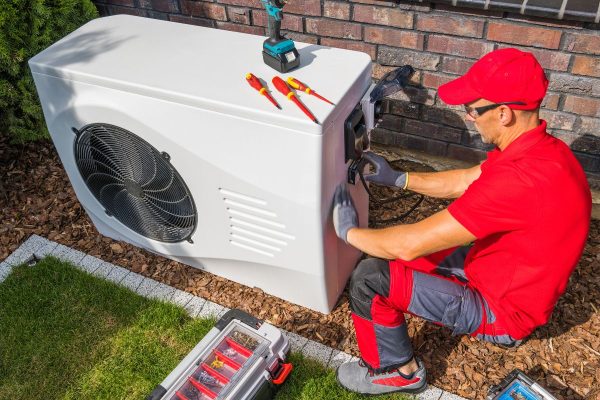
Proper installation is essential for optimal performance and efficiency. Hiring a qualified HVAC technician ensures that your new air conditioning installation is done correctly. A professional can also help you choose the right system for your home and provide ongoing maintenance.

Maintaining Your New AC System

Discover the cool revolution: your guide to a new air conditioning system

Regular maintenance is key to prolonging the lifespan of your air conditioning system and ensuring peak performance. Here are some essential maintenance tips:

  • Change Air Filters Regularly: Clean or replace air filters every 1-3 months.
  • Clean Outdoor Condenser Unit: Remove debris and ensure proper airflow around the unit.
  • Schedule Professional Tune-Ups: Annual maintenance by a qualified technician can identify and address potential issues.
  • Check for Leaks: Inspect refrigerant lines for leaks and address any issues promptly.

Investing in Comfort and Efficiency

A new air conditioning system is a significant investment that pays off in terms of comfort, energy savings, and improved air quality. By understanding your options and choosing the right system for your needs, you can enjoy a cool and comfortable home for years to come.

Friday, May 16, 2025

Electric tank water heaters: your comprehensive guide

Electric tank water heaters: your comprehensive guide

Imagine stepping into a warm, soothing shower after a long day. That comforting experience often relies on a reliable source of hot water, and for many households, that source is an electric tank water heater. These devices have been a staple in homes for decades, providing a steady supply of hot water for various needs.

Understanding Electric Tank Water Heaters

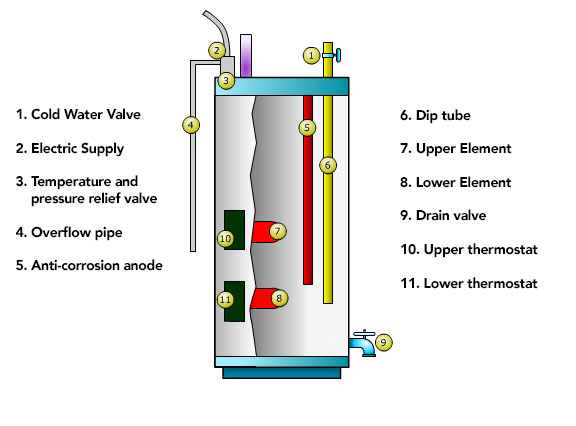
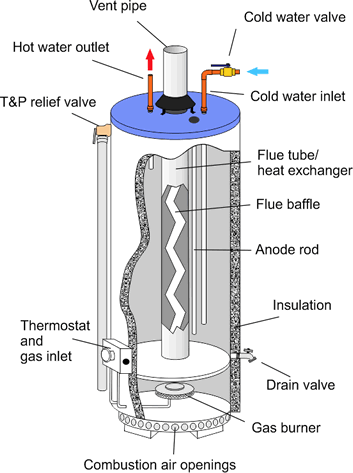
At its core, an electric tank water heater is a simple yet effective appliance. It consists of an insulated tank that stores water, and electric heating elements that heat the water to a desired temperature. Let's break down the key components:

  • Tank: The insulated tank is where water is stored and heated. Its size determines the amount of hot water available.
  • Heating Elements: These are the electrical components that convert electricity into heat, raising the water temperature.
  • Thermostat: This controls the temperature of the water, ensuring it stays within a set range.
  • Dip Tube: This tube brings cold water to the bottom of the tank, allowing for efficient heating.
  • Anode Rod: This sacrificial rod protects the tank from corrosion, extending its lifespan.
  • Pressure Relief Valve: A safety feature that releases excess pressure, preventing tank damage.

How Electric Tank Water Heaters Work

The process is straightforward: cold water enters the tank through the dip tube and is heated by the electric heating elements. The thermostat monitors the water temperature, cycling the heating elements on and off to maintain the desired setting. As hot water is used, cold water replaces it, and the cycle repeats. This constant heating and storage system ensures a continuous supply of hot water.

Advantages of Electric Tank Water Heaters

Electric tank water heaters: your comprehensive guide

Electric tank water heaters offer several benefits:

  • Lower Initial Cost: They are generally less expensive to purchase and install compared to tankless or gas water heaters.
  • Simple Installation: Installation is relatively straightforward, often requiring only basic plumbing and electrical connections.
  • Reliability: These heaters have a proven track record of reliability and longevity.
  • Consistent Hot Water: They provide a steady supply of hot water, suitable for multiple simultaneous uses.

Considerations and Potential Drawbacks

However, there are some factors to consider:

  • Energy Consumption: They continuously heat water, even when not in use, which can lead to higher energy bills.
  • Limited Hot Water Supply: The amount of hot water is limited by the tank's capacity, which can be a concern for large households.
  • Recovery Time: After the hot water supply is depleted, it takes time for the tank to reheat the water.
  • Space Requirements: Tank water heaters require dedicated space for installation.

Electric tank water heaters: your comprehensive guide

Choosing the Right Electric Tank Water Heater

Selecting the right electric tank water heater involves considering several factors:

Tank Size

The tank size should match your household's hot water needs. Consider the number of people in your home and your typical hot water usage. Common sizes range from 40 to 80 gallons.

Energy Efficiency

Look for models with high Energy Factor (EF) ratings, indicating better energy efficiency. Features like thicker insulation can also reduce energy consumption.

Warranty

A good warranty can provide peace of mind and protect your investment. Check the warranty coverage for the tank and heating elements.

Features

Electric tank water heaters: your comprehensive guide

Some models offer advanced features like vacation mode, which reduces energy consumption when you're away, or smart home integration for remote control.

Installation and Maintenance

Proper installation and regular maintenance are crucial for optimal performance and longevity. Installation should be performed by a qualified plumber or electrician. Regular maintenance includes:

  • Flushing the Tank: Periodically drain the tank to remove sediment buildup.
  • Checking the Anode Rod: Inspect and replace the anode rod as needed to prevent corrosion.
  • Testing the Pressure Relief Valve: Ensure the valve is functioning correctly.
  • Inspecting Heating Elements: Check for signs of damage or buildup.

Conclusion

Electric tank water heaters remain a popular choice for many homeowners due to their affordability, reliability, and ease of installation. By understanding their operation, advantages, and considerations, you can make an informed decision and ensure a consistent supply of hot water for your home. With proper selection, installation, and maintenance, your electric tank water heater can provide years of reliable service.

Air conditioning central air: your ultimate guide to cool comfort

Air conditioning central air: your ultimate guide to cool comfort

When the summer heat hits, there's nothing quite like the relief of stepping into a cool, comfortable home. That's where central air conditioning comes in. It's not just about cooling; it's about creating a consistent, refreshing environment throughout your entire living space. Let's explore everything you need to know about central air, from how it works to how to keep it running smoothly.

What is Central Air Conditioning?

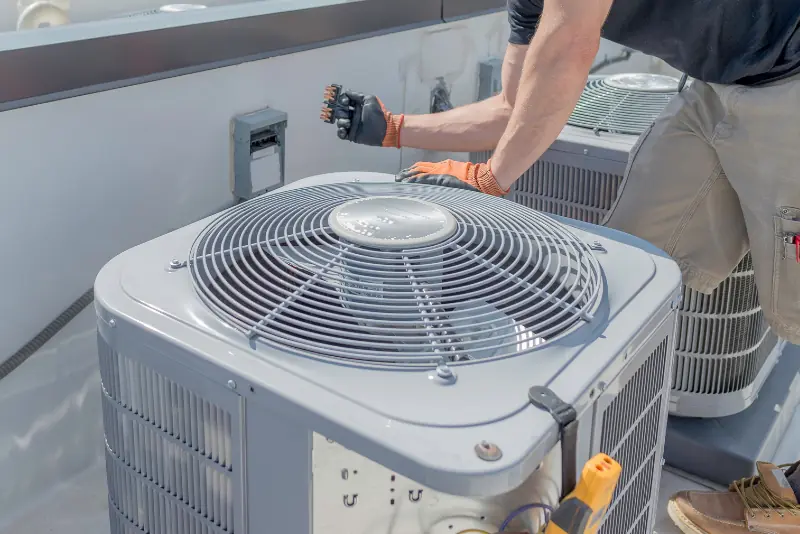
Central air, also known as a central AC system, is a type of air conditioning that uses ducts to distribute cooled air throughout a building. Unlike window units or portable ACs that cool only a single room, central air systems are designed to manage the temperature of your entire home. This is achieved by a system that includes an outdoor compressor/condenser unit and an indoor evaporator coil, typically located within your furnace or air handler.

How Central Air Works

The process begins with the compressor, which pressurizes a refrigerant. This hot, high-pressure refrigerant travels to the condenser, where it releases heat and turns into a liquid. The liquid refrigerant then flows to the evaporator coil inside your home. Here, it absorbs heat from the indoor air, causing the refrigerant to evaporate and cool the air. A blower fan then circulates this cool air through your ductwork and into each room. The heated refrigerant returns to the outdoor unit, and the cycle repeats.

Benefits of Central Air

  • Consistent Cooling: Maintains a uniform temperature throughout your home.
  • Improved Air Quality: Central systems often include air filters that remove dust, pollen, and other allergens.
  • Quiet Operation: The main components are located outdoors, minimizing noise inside your home.
  • Increased Property Value: A well-maintained central AC system can be a significant selling point.
  • Energy Efficiency: Modern central air systems are designed to be more energy-efficient, saving you money on utility bills.

Air conditioning central air: your ultimate guide to cool comfort

Choosing the Right Central Air System

Selecting the right central air system involves considering several factors. Here's what you need to know:

Size and Capacity

The size of your home and the climate in your area will determine the capacity of the AC unit you need. Capacity is measured in British Thermal Units (BTUs) or tons. A professional HVAC technician can help you calculate the appropriate size for your home.

Energy Efficiency

Look for systems with a high Seasonal Energy Efficiency Ratio (SEER) rating. The higher the SEER rating, the more efficient the system, and the lower your energy costs. Modern systems often have SEER ratings of 14 or higher.

Installation

Proper installation is crucial for optimal performance. Hire a certified HVAC technician to ensure your system is installed correctly. Incorrect installation can lead to reduced efficiency and premature breakdowns.

Maintenance

Air conditioning central air: your ultimate guide to cool comfort

Regular maintenance is essential to keep your central air system running efficiently. This includes:

  • Changing air filters regularly.
  • Cleaning the condenser coils.
  • Checking refrigerant levels.
  • Inspecting ductwork for leaks.

Troubleshooting Common Central Air Problems

Even with regular maintenance, you might encounter some common issues:

No Cool Air

Air conditioning central air: your ultimate guide to cool comfort

This could be due to a tripped circuit breaker, a faulty thermostat, or low refrigerant levels. Check these components first. If the problem persists, contact a technician.

Uneven Cooling

Uneven cooling can result from blocked vents, leaky ductwork, or an undersized AC unit. Inspect your ductwork and vents, and consider having a technician assess your system.

Strange Noises

Unusual noises like banging, rattling, or hissing can indicate a problem with the compressor, fan, or refrigerant lines. Turn off the system and call a technician immediately.

The Future of Central Air

As technology advances, central air conditioning systems are becoming smarter and more efficient. Smart thermostats, zoning systems, and variable-speed compressors are just a few examples of innovations that are improving comfort and reducing energy consumption.

Investing in a quality central air system is an investment in your comfort and well-being. By understanding how these systems work and how to maintain them, you can ensure your home stays cool and comfortable for years to come.

Thursday, May 15, 2025

Furnace ac: your complete guide to home comfort

Furnace ac: your complete guide to home comfort

When it comes to maintaining a comfortable home environment, understanding the interplay between your furnace and air conditioning (AC) systems is crucial. Often referred to as "furnace AC," this combination represents the heart of your home's HVAC (Heating, Ventilation, and Air Conditioning) system. Let's delve into what this means and how it works to keep your home cozy year-round.

Understanding the Basics: Furnace and AC Working Together

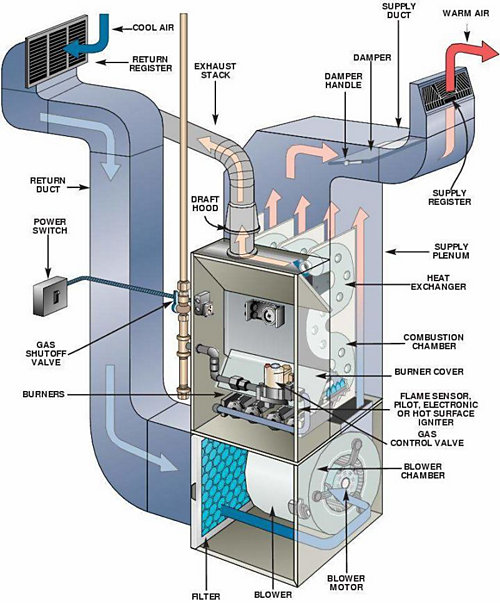
The term "furnace AC" might seem like it's describing a single unit, but it actually refers to two distinct systems that share a common component: the air handler. Your furnace is responsible for heating your home, while your AC cools it. Both systems utilize the same ductwork and blower fan to distribute conditioned air throughout your living space.

How the Furnace Works

A furnace typically burns fuel (natural gas, propane, or oil) or uses electricity to generate heat. This heat is then transferred to the air handler, which pushes the warm air through your home's duct system. A properly functioning furnace is essential for maintaining a comfortable temperature during cold winter months.

How the AC Works

Conversely, your air conditioning system removes heat and humidity from your home. It uses a refrigerant to absorb heat from the indoor air and then releases it outdoors. The cooled air is then circulated through your ductwork by the air handler. Key components of an AC system include the compressor, condenser, evaporator, and expansion valve. Having a efficient AC unit helps you stay cool during those hot summer days.

Key Components and Their Roles

Furnace ac: your complete guide to home comfort

  • Air Handler/Blower Fan: This is the shared component that circulates air for both heating and cooling.
  • Thermostat: The control center that allows you to set your desired temperature.
  • Ductwork: The network of channels that distributes conditioned air throughout your home.
  • Compressor (AC): Compresses the refrigerant, raising its temperature.
  • Condenser (AC): Releases heat from the refrigerant to the outside air.
  • Evaporator (AC): Absorbs heat from the indoor air, cooling it.
  • Heat Exchanger (Furnace): Transfers heat from the combustion process to the air.

Maintenance and Efficiency Tips

To ensure your furnace and AC systems operate efficiently and reliably, regular maintenance is essential. Here are some key tips:

  1. Change Air Filters Regularly: Dirty filters restrict airflow and reduce efficiency.
  2. Schedule Professional Tune-Ups: Annual inspections can identify and address potential issues.
  3. Clean Condenser Coils: Dirty coils reduce the AC's ability to transfer heat.
  4. Check Ductwork for Leaks: Leaky ducts waste energy and reduce system efficiency.
  5. Upgrade to a Programmable Thermostat: This allows you to optimize temperature settings for energy savings.
  6. Insulate Your Home: Proper insulation helps maintain consistent temperatures and reduces energy consumption.
Furnace ac: your complete guide to home comfort

Signs You Might Need Furnace or AC Repair

Knowing the signs of a failing furnace or AC system can help you address issues before they escalate. Watch out for:

  • Unusual Noises: Banging, rattling, or squealing sounds.
  • Inconsistent Temperatures: Uneven heating or cooling throughout your home.
  • Increased Energy Bills: Sudden spikes in your utility costs.
  • Frequent Cycling: The system turning on and off more often than usual.
  • Weak Airflow: Reduced airflow from vents.
  • Strange Odors: Burning smells or musty odors.
Furnace ac: your complete guide to home comfort

Choosing the Right System

When it's time to replace your furnace or AC, consider factors such as the size of your home, climate, and energy efficiency ratings. Look for systems with high AFUE (Annual Fuel Utilization Efficiency) ratings for furnaces and SEER (Seasonal Energy Efficiency Ratio) ratings for ACs. A qualified HVAC technician can help you determine the best system for your needs.

Conclusion

Understanding the intricacies of your "furnace AC" system is key to maintaining a comfortable and energy-efficient home. Regular maintenance, timely repairs, and informed choices about system upgrades can ensure that your home remains a haven of comfort, no matter the season. By keeping your HVAC in top shape, you can enjoy a perfect indoor climate all year round.

Heating & air conditioning: your ultimate home comfort guide

Heating & air conditioning: your ultimate home comfort guide

Imagine a home where the temperature is always just right, no matter the weather outside. That's the power of a well-functioning heating and air conditioning system. It's more than just a luxury; it's essential for maintaining a comfortable and healthy living environment. Whether you're dealing with scorching summer heat or freezing winter chills, understanding the basics of HVAC (Heating, Ventilation, and Air Conditioning) can make a significant difference in your daily life.

Understanding the Basics of HVAC

Let's break down the core components of your home's climate control system:

  • Heating Systems: These include furnaces, heat pumps, and boilers. Furnaces typically use gas or electricity to heat air, which is then circulated throughout your home. Heat pumps work by transferring heat from one place to another, while boilers heat water that's used to provide warmth through radiators or radiant floor heating.
  • Air Conditioning Systems: These systems cool your home by removing heat and humidity from the indoor air. Central air conditioners use a compressor and refrigerant to cool air, which is then distributed through ductwork. Window units, on the other hand, are self-contained and cool a single room.
  • Ventilation: Proper ventilation is crucial for maintaining indoor air quality. It involves circulating fresh air and removing stale or contaminated air. This can be achieved through natural ventilation (opening windows) or mechanical ventilation (using fans or air exchangers).

Why Regular Maintenance is Essential

Heating & air conditioning: your ultimate home comfort guide

Just like any other complex system, your heating and air conditioning units require regular maintenance to operate efficiently and reliably. Here's why it's so important:

  • Energy Efficiency: A well-maintained system consumes less energy, which translates to lower utility bills. Dirty filters, clogged coils, and leaky ducts can significantly reduce efficiency.
  • Improved Air Quality: Regular filter changes and duct cleaning can remove dust, pollen, and other allergens from the air, creating a healthier indoor environment.
  • Extended Lifespan: Proper maintenance can prevent costly breakdowns and extend the lifespan of your HVAC equipment.
  • Safety: Regular inspections can identify potential safety hazards, such as gas leaks or electrical issues.

Choosing the Right System for Your Home

Heating & air conditioning: your ultimate home comfort guide

Selecting the right heating and air conditioning system depends on several factors, including the size of your home, your climate, and your budget. Here are some key considerations:

  • Size and Capacity: An oversized system will cycle on and off frequently, wasting energy and reducing comfort. An undersized system will struggle to maintain the desired temperature. A professional HVAC technician can help you determine the appropriate size for your home.
  • Energy Efficiency Ratings: Look for systems with high SEER (Seasonal Energy Efficiency Ratio) and HSPF (Heating Seasonal Performance Factor) ratings. These ratings indicate how efficiently the system operates.
  • Type of System: Consider whether a central air system, ductless mini-split, or heat pump is the best option for your needs.
  • Budget: Factor in the initial cost of the system, as well as the ongoing operating and maintenance costs.

Tips for Maximizing Comfort and Efficiency

Heating & air conditioning: your ultimate home comfort guide

Here are some additional tips to help you get the most out of your heating and air conditioning system:

  • Programmable Thermostats: Use a programmable thermostat to automatically adjust the temperature based on your schedule.
  • Seal Air Leaks: Seal any air leaks around windows, doors, and ductwork to prevent conditioned air from escaping.
  • Insulation: Ensure your home is properly insulated to minimize heat transfer.
  • Regular Filter Changes: Change your air filters regularly, typically every 1-3 months.
  • Professional Inspections: Schedule annual maintenance checkups with a qualified HVAC technician.

In conclusion, a well-maintained and efficient heating and air conditioning system is essential for creating a comfortable and healthy home. By understanding the basics, performing regular maintenance, and making informed decisions when choosing a system, you can enjoy optimal indoor comfort year-round.

Wednesday, May 14, 2025

Aircon heating: your ultimate guide to comfortable climates

Aircon heating: your ultimate guide to comfortable climates

Imagine a world where you're never too hot or too cold. That's the promise of modern air conditioning units, especially those with heating capabilities. We're not just talking about cooling anymore; we're diving deep into the world of aircon heating, a feature that transforms your air conditioner into a year-round comfort solution. Let's explore everything you need to know about how these systems work, their benefits, and why they might be the perfect addition to your home.

Understanding Aircon Heating Technology

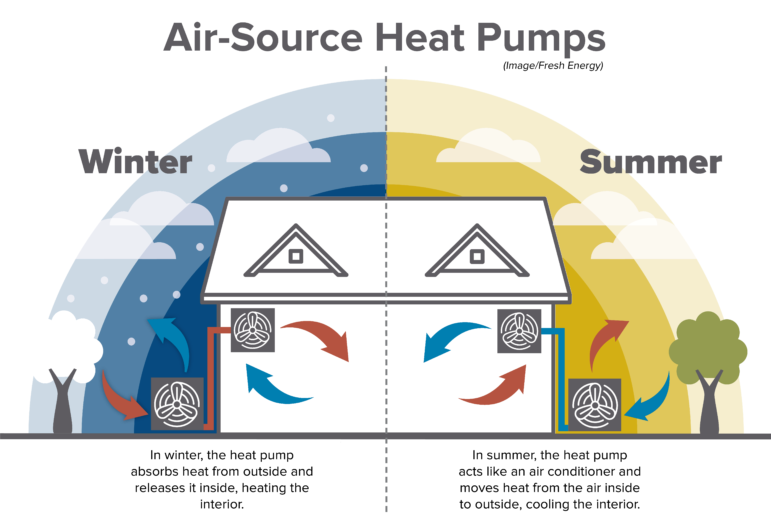
At the heart of aircon heating is a clever process known as the heat pump cycle. Unlike traditional heaters that generate warmth by burning fuel, air conditioners with heating use a refrigerant to transfer heat. In cooling mode, they extract heat from inside and release it outside. In heating mode, this process is reversed: they extract heat from the outside air (yes, even cold air contains some heat!) and bring it indoors.

Here's a simplified breakdown:

  1. Refrigerant Circulation: A refrigerant, a special fluid, circulates through the system.
  2. Heat Absorption: In heating mode, the refrigerant absorbs heat from the outside air, even when it's cold.
  3. Compression: The compressor increases the refrigerant's temperature.
  4. Heat Release: The hot refrigerant releases heat into your indoor space.

The Benefits of Aircon Heating

Aircon heating: your ultimate guide to comfortable climates

Why should you consider an air conditioner with a heating function? Here are some compelling reasons:

1. Year-Round Comfort

With aircon heating, you're prepared for any weather. No need for separate heating and cooling systems; one unit does it all.

2. Energy Efficiency

Heat pumps are incredibly efficient. They move heat rather than generate it, which means they use less energy than traditional electric heaters. This translates to lower energy bills and a smaller carbon footprint.

3. Improved Air Quality

Modern air conditioners often come with advanced filtration systems that remove dust, allergens, and other particles from the air. This not only improves comfort but also promotes healthier indoor air.

4. Space Saving

Instead of having separate heating and cooling systems, a single aircon heating unit saves valuable space in your home.

5. Precise Temperature Control

Aircon heating: your ultimate guide to comfortable climates

Air conditioners offer precise temperature control, allowing you to maintain a comfortable environment all year round.

Choosing the Right Aircon Heating System

When selecting an air conditioner with heating, consider these factors:

1. Size and Capacity

The size of your room or space will determine the capacity of the unit you need. An undersized unit won't provide adequate heating or cooling, while an oversized unit can lead to energy waste.

2. Energy Efficiency Ratings

Look for units with high energy efficiency ratings, such as SEER (Seasonal Energy Efficiency Ratio) and HSPF (Heating Seasonal Performance Factor). These ratings indicate how efficiently the unit operates.

3. Features and Functions

Consider features like programmable thermostats, sleep modes, and advanced filtration systems. Some units also offer smart home integration, allowing you to control them remotely.

4. Installation and Maintenance

Aircon heating: your ultimate guide to comfortable climates

Proper installation is crucial for optimal performance. Choose a reputable installer and ensure regular maintenance to keep your unit running smoothly.

Tips for Maximizing Aircon Heating Efficiency

To get the most out of your aircon heating system, follow these tips:

  • Regularly clean or replace filters: Dirty filters restrict airflow and reduce efficiency.
  • Seal air leaks: Seal any gaps around windows and doors to prevent heat loss.
  • Use a programmable thermostat: Set the temperature to comfortable levels and adjust it when you're away or asleep.
  • Maintain proper insulation: Ensure your home is well-insulated to minimize heat loss.

Conclusion

Aircon heating is a versatile and efficient solution for year-round comfort. By understanding how these systems work and choosing the right unit for your needs, you can enjoy a comfortable and energy-efficient home. Embrace the future of climate control with aircon heating and experience the difference it can make in your daily life.

Air conditioning components: the heart of cool

Air conditioning components: the heart of cool

Have you ever wondered what makes your air conditioner work its magic? It's not just a box that blows cold air; it's a carefully engineered system with several crucial parts. Let’s break down the key air conditioning components that work together to keep your home comfortable.

The Essential Components

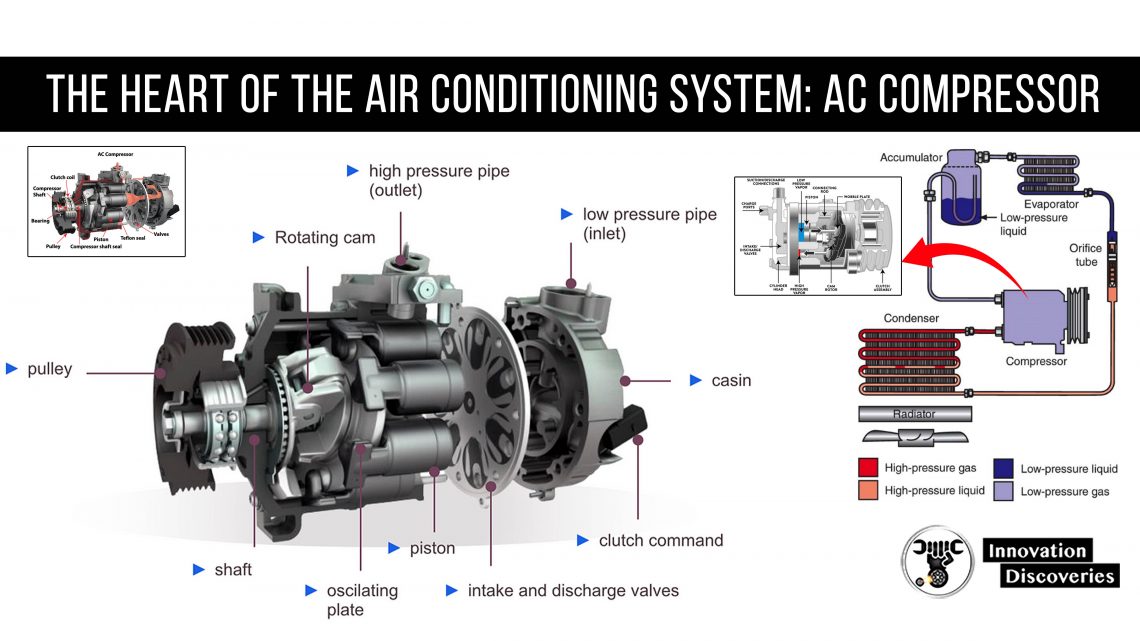
1. The Compressor: The Powerhouse

The compressor is like the heart of your AC system. It's responsible for circulating the refrigerant, a special substance that absorbs and releases heat. Think of it as a pump that increases the pressure and temperature of the refrigerant gas. This pressurized hot gas is then sent to the condenser.

2. The Condenser: Releasing the Heat

Air conditioning components: the heart of cool

Located outside your home, the condenser is where the hot, pressurized refrigerant releases its heat. It's made up of coils and fins that help dissipate the heat into the surrounding air. A fan helps to blow air across the condenser coils, speeding up the cooling process. As the refrigerant cools, it condenses into a liquid.

3. The Evaporator: Absorbing the Heat

Inside your home, the evaporator is where the magic happens. Here, the liquid refrigerant absorbs heat from the indoor air. A fan blows air across the evaporator coils, and as the warm air passes over the cold coils, it cools down. The refrigerant, now heated, turns back into a gas and travels back to the compressor to start the cycle again. This is how the system effectively removes heat from your indoor environment.

4. The Expansion Valve (or Thermostatic Expansion Valve - TXV): Controlling the Flow

The expansion valve (or TXV) is a crucial part that regulates the flow of refrigerant into the evaporator. It controls the amount of refrigerant entering the evaporator, ensuring that the right amount is used for optimal cooling. This valve helps maintain the efficiency of the entire system by ensuring that the refrigerant evaporates at the correct rate.

5. Refrigerant: The Cooling Agent

Air conditioning components: the heart of cool

Refrigerant is the substance that moves through the system, absorbing and releasing heat. It's the lifeblood of your AC. Older systems used refrigerants that were harmful to the ozone layer, but modern systems use more environmentally friendly alternatives. It is very important to have the correct amount of refrigerant. Too much, or too little, will cause your system to operate inefficiently.

6. The Blower Motor: Circulating the Air

The blower motor is responsible for circulating the air through your home's ductwork. It pushes the cooled air from the evaporator into your rooms and pulls warm air back to be cooled. Without the blower motor, the system wouldn't be able to distribute the cool air effectively.

7. Thermostat: Setting the Temperature

The thermostat is your control center. It allows you to set the desired temperature and tells the AC system when to turn on or off. Modern thermostats can be programmable, allowing you to set schedules and save energy. They can also be smart thermostats that learn your habits.

8. Ducts: Delivering the Cool

Air conditioning components: the heart of cool

Ducts are the network of channels that carry the cooled air throughout your home. Well-maintained ducts are essential for efficient cooling. Leaky or poorly insulated ducts can waste energy and reduce the system's effectiveness. Air leaks can also cause hot and cold pockets in the home.

Understanding the Cycle

These air conditioning components work together in a continuous cycle. The refrigerant absorbs heat in the evaporator, is compressed and heated in the compressor, releases heat in the condenser, and then returns to the evaporator to start the cycle again. This process keeps repeating, maintaining a comfortable temperature in your home.

Maintenance Matters

Just like any machine, your AC system needs regular maintenance to keep it running smoothly. Cleaning or replacing the air filter, checking refrigerant levels, and inspecting the coils are just a few of the tasks that can help prolong the life of your system and ensure optimal performance. Regular maintenance also helps save money on energy bills, and prevents costly repairs down the road. If you have any concerns, always contact a qualified HVAC technician.

Tuesday, May 13, 2025

Repair heaters: your guide to a warm and cozy home

Repair heaters: your guide to a warm and cozy home

Why Heater Repair Matters

When the chill sets in, a functioning heater isn't just a luxury—it's a necessity. A malfunctioning heater can lead to discomfort, increased energy bills, and even safety hazards. That's why understanding when and how to repair heaters is crucial.

Imagine waking up to a freezing home. Or worse, dealing with a heater that emits strange smells or noises. These are clear signs that your heater needs attention. Ignoring these issues can lead to more significant and costly problems down the line.

Common Heater Problems and How to Spot Them

Heaters, like any other appliance, can experience a range of issues. Recognizing these problems early can save you time and money. Here are some common signs that your heater needs repair:

  • No Heat: The most obvious sign. If your heater isn't producing any heat, it's time to investigate.
  • Weak Airflow: If the air coming from your vents is weak, it could indicate a problem with the blower or ductwork.
  • Strange Noises: Banging, rattling, or squealing noises can signal mechanical issues.
  • Unusual Smells: Burning or musty odors should never be ignored. They could indicate a safety hazard.
  • Increased Energy Bills: A sudden spike in your energy bills could mean your heater is working harder than it should.
  • Frequent Cycling: If your heater turns on and off frequently, it might be a sign of a faulty thermostat or other issues.
Repair heaters: your guide to a warm and cozy home

If you notice any of these signs, don't hesitate to seek professional help. Addressing these problems promptly can prevent them from escalating.

Finding Reliable Heater Repair Services

When it comes to repairing heaters, choosing the right service provider is essential. Here's what to look for:

  • Experience and Expertise: Look for technicians with proven experience in heater repair.
  • Licensing and Certification: Ensure the company is licensed and certified to perform HVAC work.
  • Customer Reviews and Testimonials: Read online reviews to gauge the company's reputation.
  • Transparent Pricing: Get a clear estimate before any work begins.
  • Emergency Services: Choose a company that offers 24/7 emergency repair services.
  • Warranty and Guarantees: Inquire about warranties on parts and labor.

Repair heaters: your guide to a warm and cozy home

A reputable repair service will prioritize your safety and comfort. They'll also provide honest and reliable advice.

DIY Heater Maintenance Tips

While some repairs require professional help, there are a few maintenance tasks you can do yourself to keep your heater running smoothly:

  • Change Air Filters Regularly: Clean or replace air filters every 1-3 months.
  • Keep Vents Clear: Ensure vents are free from obstructions.
  • Test Your Thermostat: Make sure your thermostat is functioning correctly.
  • Inspect the Pilot Light: If you have a gas heater, check the pilot light regularly.
  • Clean the Area Around the Heater: Keep the area around your heater free from clutter.

Regular maintenance can prolong the life of your heater and improve its efficiency.

Heater Safety Tips

Repair heaters: your guide to a warm and cozy home

Safety should always be a top priority when dealing with heaters. Here are some essential safety tips:

  • Install Carbon Monoxide Detectors: Place detectors on every level of your home.
  • Keep Flammable Materials Away: Keep curtains, furniture, and other flammable materials away from heaters.
  • Never Block Vents: Blocking vents can lead to overheating and fire hazards.
  • Schedule Regular Inspections: Have your heater inspected annually by a professional.

By following these safety tips, you can ensure a warm and safe home during the colder months.

Conclusion: Stay Warm with Reliable Heater Repair

Repairing heaters is a crucial part of home maintenance. By understanding common problems, finding reliable repair services, and following safety tips, you can ensure a warm and comfortable home throughout the year. Don't wait until it's too late—address heater issues promptly to avoid costly repairs and safety hazards.

© [Your Website Name] - All Rights Reserved

Popular Posts